World Cup Cybersecurity: What SMEs Need to Know
World Cup cybersecurity risks do not begin and end with FIFA. The 2026 World Cup has captured the attention of billions of fans globally — and that same visibility attracts cybercriminals, hacktivists, fraudsters, and potentially nation-state actors.
The risks extend far beyond the official organisers, the large ticketing companies, and the stadium operators. Large global events create temporary digital ecosystems involving thousands of businesses, many of them SMEs. Here is what those businesses need to understand about the cyber threats surrounding the tournament.
How the Attack Surface Extends Beyond Official Organisers
When you think about cybersecurity risks at the World Cup, you might picture FIFA, stadium operators, broadcasters, or ticketing platforms. Those organisations are certainly high-profile targets.
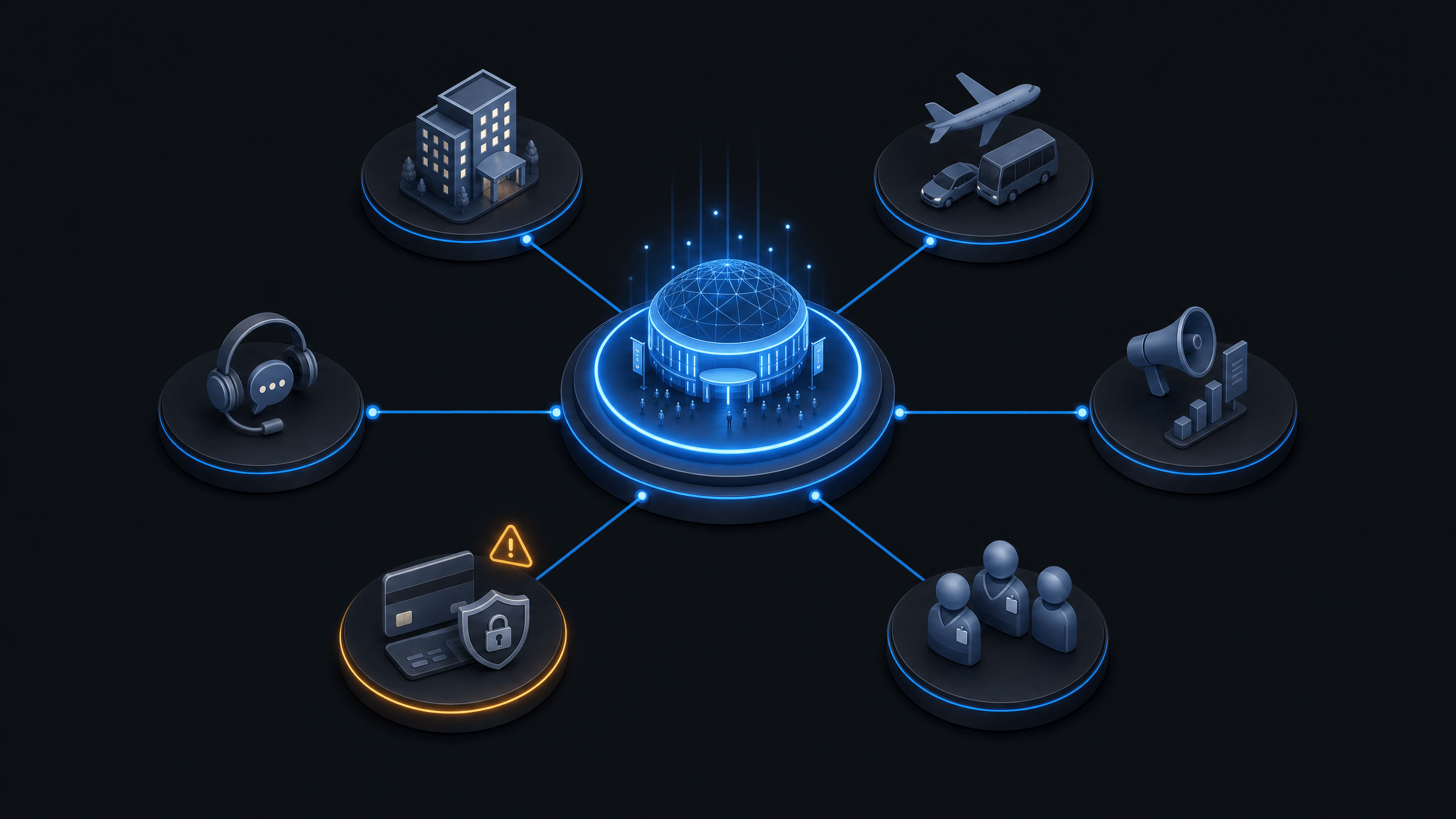
But every World Cup relies on thousands of interconnected businesses. Hotels process bookings for travelling supporters. Transportation providers move fans between venues. Hospitality companies manage food, accommodation, and event services. Marketing agencies run promotional campaigns. Payment providers process transactions. Staffing firms onboard temporary workers. IT vendors support infrastructure behind the scenes. Together, these organisations form a vast web of digital dependencies that helps keep the tournament running.
For attackers, these supporting businesses can be just as attractive as the headline targets. They often have access to valuable customer data, payment information, partner networks, or operational systems — and they may not have the same cybersecurity budgets or resources as the largest organisations involved in the event. FIFA has rehearsed many scenarios and cyber threats. But a compromise at a supplier, contractor, or service provider can create opportunities to steal information, disrupt operations, or launch attacks further down the chain.
This dynamic is not unique to the World Cup. The same pattern appears at the Olympics, major international tournaments, Formula One races, and other global events. The larger and more interconnected the ecosystem becomes, the more opportunities exist for attackers to exploit trust relationships between organisations.
The Most Likely Cyber Threats for SMEs
Phishing and Social Engineering Campaigns
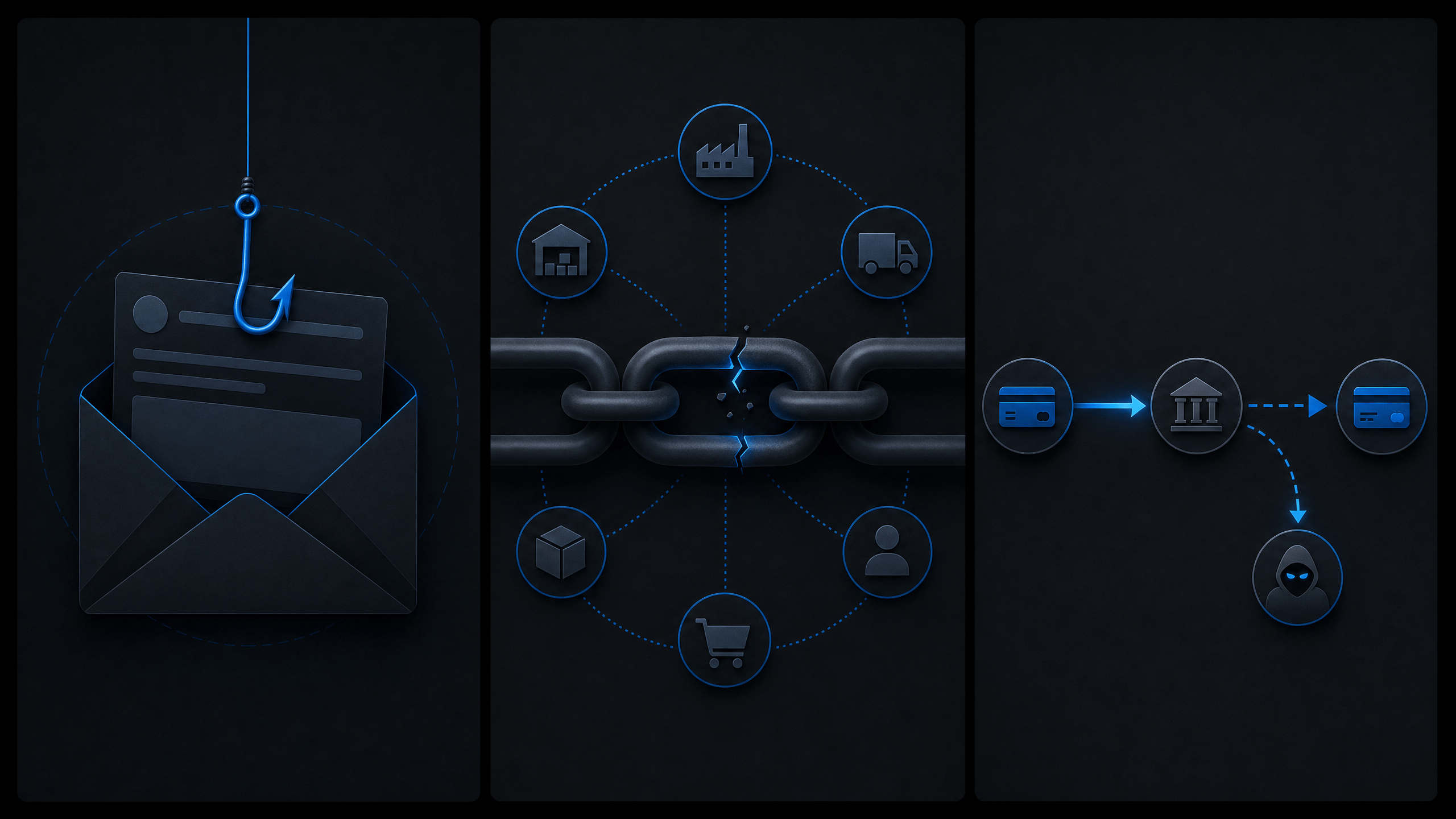
Major sporting events create ideal conditions for social engineering because they generate urgency, excitement, and unusually high volumes of digital activity. Attackers know that fans are actively searching for tickets, accommodation, merchandise, transportation, and even employment opportunities linked to the tournament.
The FBI has already issued a warning about spoofing attacks targeting FIFA’s brand through lookalike domains. Some of those domains hint at employment scams — examples given include jobs-fifa[.]com, fifa-hr[.]com, and fifa-careerhub[.]com. Others target fans searching for match tickets.
The risk goes beyond FIFA. A hospitality provider may receive inquiries from customers who have already been scammed through a fake booking platform. A staffing agency could find its brand copied in fraudulent recruitment campaigns offering tournament-related jobs. A sponsor’s employees may receive emails appearing to come from FIFA, broadcasters, or event organisers — requesting account verification, credential updates, or urgent document reviews.
During a major event, employees expect unusual requests, new suppliers, unfamiliar email domains, and increased transaction volumes. The very circumstances that make the event commercially valuable also make deception harder to spot.
Third-Party and Supply Chain Risk
Large sporting events create temporary ecosystems where companies that would not normally interact suddenly exchange data, credentials, and operational access. Hotels integrate with booking platforms. Transportation providers coordinate with event organisers. Sponsors work alongside marketing agencies, media partners, and hospitality suppliers. IT service providers gain temporary access to systems supporting event operations.
Every new connection creates a new trust relationship — and a potential attack path.
Attackers understand that these relationships often provide easier entry than direct attacks. Rather than targeting a well-defended ticketing provider, they may focus on a smaller contractor responsible for customer support, digital marketing, event staffing, or venue services. Once inside, they can leverage trusted accounts, email relationships, and shared systems to move further through the ecosystem.
This risk becomes more significant when companies onboard new suppliers or expand existing partnerships to accommodate increased demand. Security reviews may be accelerated. Access permissions may be granted quickly. Temporary accounts may be created with broad privileges to avoid operational delays. In some cases, vendors may receive remote access into production environments to provide event support.
Supply chain compromise is not limited to access relationships. Major events often require businesses to deploy new software, onboard third-party applications, integrate APIs, and rapidly scale infrastructure. A compromised software update, vulnerable third-party platform, or insecure integration can create exposure long before an attacker targets your business directly.
For SMEs, the challenge is often visibility. Many businesses have a reasonable understanding of their own security controls but far less awareness of how their suppliers, contractors, and service providers manage risk. During a high-profile event, attackers actively look for these weaker links precisely because trust can bypass controls that would otherwise stop an external attack.
Fraud and Payment Scams
Global sporting events generate enormous financial activity, making them attractive hunting grounds for financially motivated attackers.
The most common attacks are variations of business email compromise (BEC), invoice fraud, and payment diversion schemes. An attacker who gains access to a supplier account — or successfully impersonates one — may send revised banking details shortly before a payment is due. Because businesses process higher-than-normal transaction volumes and deal with unfamiliar suppliers, these requests can appear routine.
Hospitality and tourism businesses face particular exposure. Hotels may receive fraudulent group booking requests linked to teams, sponsors, media organisations, or fan groups. Travel providers may encounter fake reservation amendments or payment disputes designed to trigger refunds. Event-related service providers may be approached by criminals posing as organisers seeking urgent last-minute services.
Sponsors and marketing agencies face different risks. Attackers may impersonate event organisers, broadcasters, or partners to request sponsorship payments, promotional funds, or contract amendments — often using publicly available information about agreements and partnerships to craft highly convincing communications.
Fraud associated with major sporting events is rarely a purely technical problem. It is a trust problem. Attackers exploit legitimate business relationships, realistic commercial requests, and operational urgency to persuade employees to transfer money, share sensitive information, or approve actions that would normally trigger scrutiny.
Why Geopolitics Matters Too
Global events such as the World Cup carry geopolitical significance that can attract a very different category of adversary.
Few events command the same international attention. Billions of viewers tune in. Governments, corporations, media organisations, and public figures are all heavily invested in the outcome. This visibility makes major sporting events attractive targets for hacktivist groups, politically motivated actors, and nation-state operators seeking publicity, disruption, intelligence collection, or influence.
Recent events reinforce the point. On the second day of the 2026 World Cup, CBS News reported that an Iran-linked group called Handala had seized control of FBI drones used for facial recognition and licence plate screening. The group also issued warnings to US authorities to tighten security around the tournament.
Most SMEs are unlikely to find themselves directly targeted by sophisticated nation-state actors. However, they may be affected by broader campaigns aimed at the surrounding ecosystem. A transportation provider supporting tournament operations, a sponsor’s marketing agency, or a hospitality company serving visiting fans could all become indirect targets because of their connection to a larger brand, event, or supply chain.
Practical Security Measures Before a Major Sporting Event
The good news is that preparing for World Cup cybersecurity risks does not require enterprise-scale budgets or large security teams. Many of the most effective controls focus on reducing the opportunities attackers have to exploit trust, weak access controls, and overlooked vulnerabilities.
Strengthen identity security. Enable multi-factor authentication across business-critical systems, review privileged accounts, remove unnecessary permissions, and disable dormant accounts. Major events often involve temporary workers, contractors, and third-party suppliers, making access management particularly important.
Increase employee awareness of event-themed campaigns. Staff should understand how attackers may impersonate tournament organisers, suppliers, travel providers, sponsors, or customers. This is particularly important for employees in finance, customer support, HR, and executive support — teams that are frequently targeted by BEC and payment diversion scams. Phishing simulations can identify vulnerable areas and reinforce good security habits before attackers attempt to exploit them.
Review your external attack surface. Identify internet-facing assets, review remote access pathways, ensure systems are fully patched, and verify that backups can be restored successfully. Businesses often focus on preventing attacks while neglecting recovery planning — but the ability to recover quickly can significantly reduce the impact of an incident.
Conduct penetration testing before the event begins. Whether the target is an external-facing web application, a remote access platform, cloud infrastructure, or internal network segmentation, penetration testing helps you understand how an attacker might exploit vulnerabilities before a real adversary does. For businesses supporting high-profile events, this proactive approach can surface security gaps that become significantly more attractive once the tournament is underway.
If your business plays any role in the World Cup ecosystem — as a supplier, sponsor, service provider, or partner — the elevated threat environment applies to you. DIESEC’s penetration testing and phishing simulation services help organisations identify and close the gaps that attackers are actively looking for.
Contact us to learn more.