
NIS2 for SMEs (Direct & Upstream Impacts)
NIS2 for SMEs goes far beyond just large enterprises. The scope of major regulations rarely ends at the organisations they directly regulate. They move through contracts, procurement processes, and supply chains, reshaping expectations far beyond their original scope. NIS2 is no exception to this.
While the NIS2 directive formally applies to organisations operating in specific critical sectors with certain thresholds for employee numbers and revenue, its impact extends well beyond those thresholds. The result is quite a wide compliance perimeter for NIS2. Here’s how to understand the direct and perhaps upstream ways NIS2 might impact your small or medium-sized enterprise.
NIS2 for SMEs: Direct Scope and Impact
On paper, the direct scope of NIS2 for SMEs appears clear. The directive applies to organisations operating in 18 designated critical sectors, including energy, transport, health, digital infrastructure, financial services, manufacturing of critical products, and other essential or important services. As a general rule, companies with at least 50 employees or €10 million in annual turnover fall within scope if they operate in one of these sectors.
But in practice, determining whether your organisation qualifies is rarely a simple box-ticking exercise. Sector definitions are broad. Group structures can complicate employee counts and revenue thresholds. Companies that provide digital services in critical sectors may find themselves indirectly categorised. What looks like a “normal” mid-sized manufacturing or service company may, under closer analysis, fall into the “important entity” category.

This uncertainty is reflected in market awareness. One 2025 report found that almost six in ten SMEs in the Belux region report that they do not know whether NIS2 applies to them. That is a significant gap, particularly given that the directive has been in force since October 2024.
For many companies in the 50–500 employee range, questions about compliance extend beyond the obvious thresholds to:
- Are we classified as essential or important under national law?
- Does our group structure bring us above thresholds?
- Are we considered a critical supplier in a certain sector which would mean compliance regardless of company size/revenue?
Being directly in scope triggers formal obligations, including documented risk management measures, incident reporting within defined timelines, management accountability, and potential supervisory oversight. The challenge is that SMEs might lack the internal legal and compliance expertise to confidently answer these questions.
NIS2 for SMEs: Upstream Supply Chain Impact
For organisations directly in scope of NIS2, compliance is not limited to their own internal controls. The directive requires them to identify, assess, and manage cybersecurity risks throughout their supply chains.
Essential and important entities must evaluate the risks posed by their suppliers and service providers. They are expected to understand how third parties could introduce vulnerabilities, disrupt services, or create exposure through weak controls. This obligation effectively extends NIS2’s influence far beyond the companies formally regulated under it.
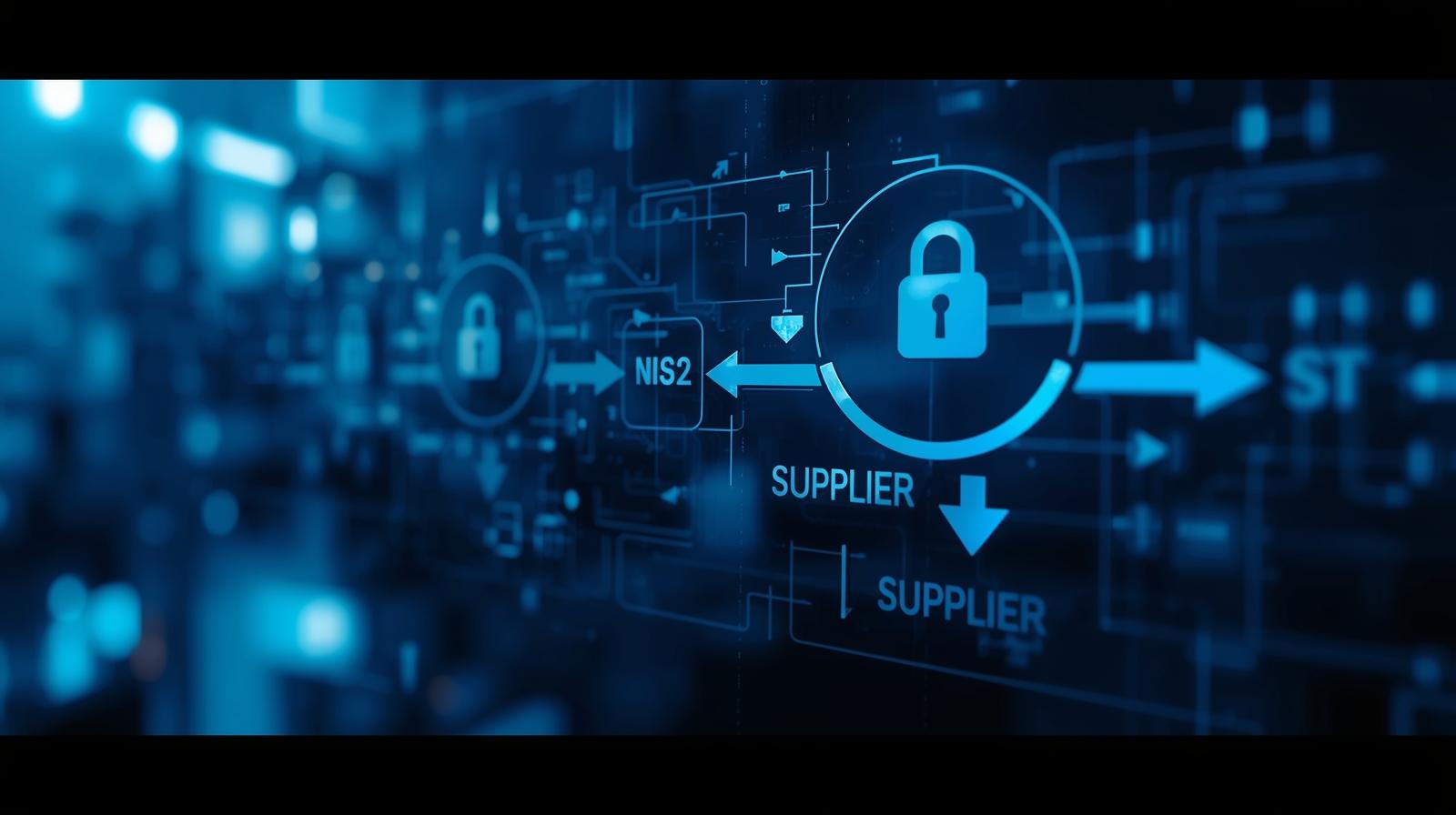
For SMEs operating outside the designated sectors or not meeting size/revenue criteria, this is where the impact becomes underappreciated (and increasingly consequential.)
If you supply software, components, digital services, logistics support, data processing, or technical expertise to a regulated organisation, you may find yourself drawn into their compliance framework. Procurement teams will begin requesting documentation. Security questionnaires will become more detailed. Contracts may include clauses requiring specific technical measures, incident reporting cooperation, or evidence of regular security testing.
A regulated entity that fails to manage supply chain risk faces supervisory scrutiny and potential penalties. As a result, many larger organisations are raising the bar for their partners. They must demonstrate that their ecosystem is resilient, not just their own infrastructure.
Failure to respond convincingly might not result in a fine. But it could result in something more commercially painful, like exclusion from tenders, delayed contract renewals, or removal from approved supplier lists.
In this way, NIS2 creates a cascading compliance effect. Smaller businesses in non-essential sectors are increasingly expected to operate at a level consistent with regulated partners. Cyber resilience becomes a prerequisite for participation in certain supply chains.
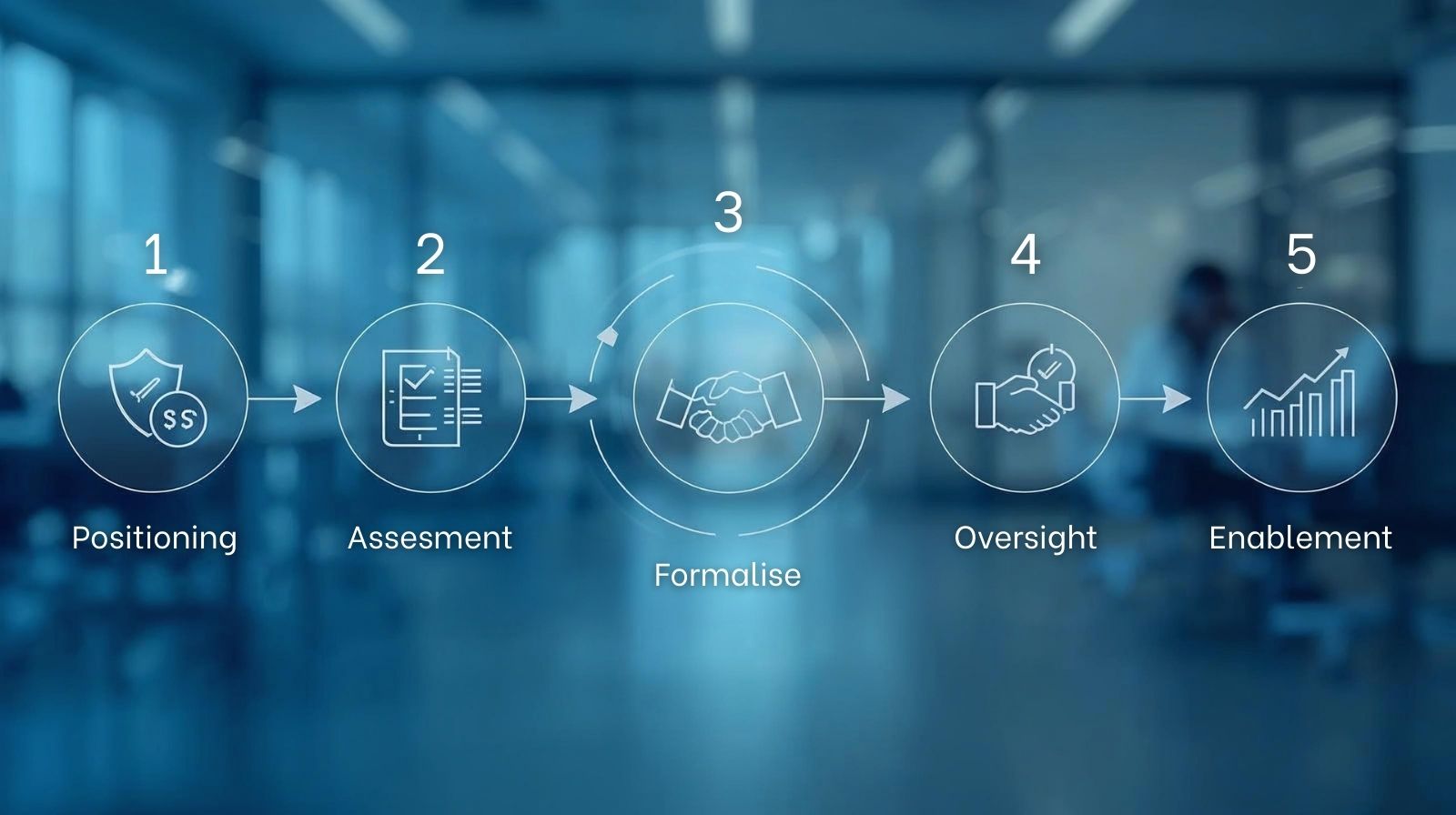
Practical Preparedness: NIS2 for SMEs Roadmap
Preparation begins with clarity.
-
Establish Your Regulatory Position
Before investing in controls, organisations should determine whether they fall directly or indirectly within scope. This assessment should consider sector classification, organisational structure, customer relationships, and supply chain dependencies.
Working with an experienced managed security or compliance partner can accelerate this process. An external evaluation helps cut through uncertainty and ensures that assumptions about scope are validated against current national implementation guidance.
Understanding where you stand allows you to prioritise proportionately
-
Conduct a Structured Risk and Gap Assessment
Whether directly regulated or indirectly impacted, SMEs should assess their current cybersecurity posture against NIS2-aligned expectations.
This includes evaluating:
- Technical safeguards (identity management, access control, logging, monitoring)
- Vulnerability and patch management processes
- Incident detection and response readiness
- Backup and recovery capabilities
- Governance and accountability structures
The aim is to identify material weaknesses and create a documented roadmap for improvement.
-
Formalise What May Already Exist Informally
Many SMEs already operate with reasonable security practices, but lack documentation. Under NIS2-influenced supply chain scrutiny, undocumented controls aren’t worth much. Formalising policies, defining roles and responsibilities, and documenting procedures strengthens both resilience and credibility during procurement reviews
-
Strengthen Supplier and Partner Oversight
You should also prepare to demonstrate that you assess your own suppliers if your business falls directly in scope. This doesn’t require building a complex compliance bureaucracy. It does require:
- Maintaining a register of critical vendors
- Categorising suppliers by risk
- Including basic security expectations in contracts
- Periodically reviewing high-risk partners
Doing this shows maturity and reduces downstream risk exposure.
-
Treat Cyber Resilience as a Commercial Enabler
Finally, preparedness should not be framed purely as a defensive compliance exercise.
Because of the upstream NIS2 impacts, SMEs that can clearly articulate their security posture gain tangible advantages:
- Faster contract approvals
- Stronger procurement positioning
- Increased trust with strategic partners
- Reduced disruption risk
As supply chain scrutiny intensifies, cyber resilience becomes part of competitive differentiation.

Understanding whether NIS2 for SMEs applies to your organisation (directly or indirectly upstream) is the critical first step toward informed action. DIESEC’s NIS2 consulting services help SMEs assess their scope exposure, identify compliance gaps, and build a proportionate, practical roadmap aligned with business realities.
Contact us today to learn more.