
Cybersecurity Threats in 2026: What to Expect?
Cybersecurity doesn’t shift neatly on a calendar boundary, but the start of a new year is always a good time to pause and predict what might be coming. Looking ahead isn’t about chasing headlines or guessing which buzzword will dominate conference agendas. Instead, it’s about understanding where attackers are reallocating effort, which defensive models are quietly losing effectiveness, and what kinds of failures are becoming systemic rather than exceptional.
Foresight shapes everything from your tooling decisions and architecture choices to how your company structures detection, response, and ownership. This post looks at what to expect from cybersecurity in 2026 as the year progresses.
1. Non-Human Identity Sprawl Becomes a Primary Attack Surface
In 2026, expect identity risk to no longer be dominated by human users. Service accounts, API tokens, CI/CD credentials, cloud workloads, robotic process automation, and now AI agents acting semi-autonomously have created an identity layer that most organisations struggle to keep visibility over, let alone govern. There was a 44 percent growth in non-human identities from 2024-2025, and this will only continue in the coming year.
AI-driven systems increasingly request, exchange, and persist access without a human in the loop. In many environments, these identities inherit excessive permissions by design, because revocation logic lags behind automation speed.

Attackers are adapting accordingly. Rather than phish employees, they’re probing for:
- Over-privileged service accounts
- Stale tokens embedded in code or pipelines
- Non-human identities with lateral movement potential
In 2026, breaches will increasingly start without a compromised human user at all. Companies that continue to treat identity security as a human IAM problem will miss where real exposure now lives.
2. Deepfake-Driven Identity Fraud
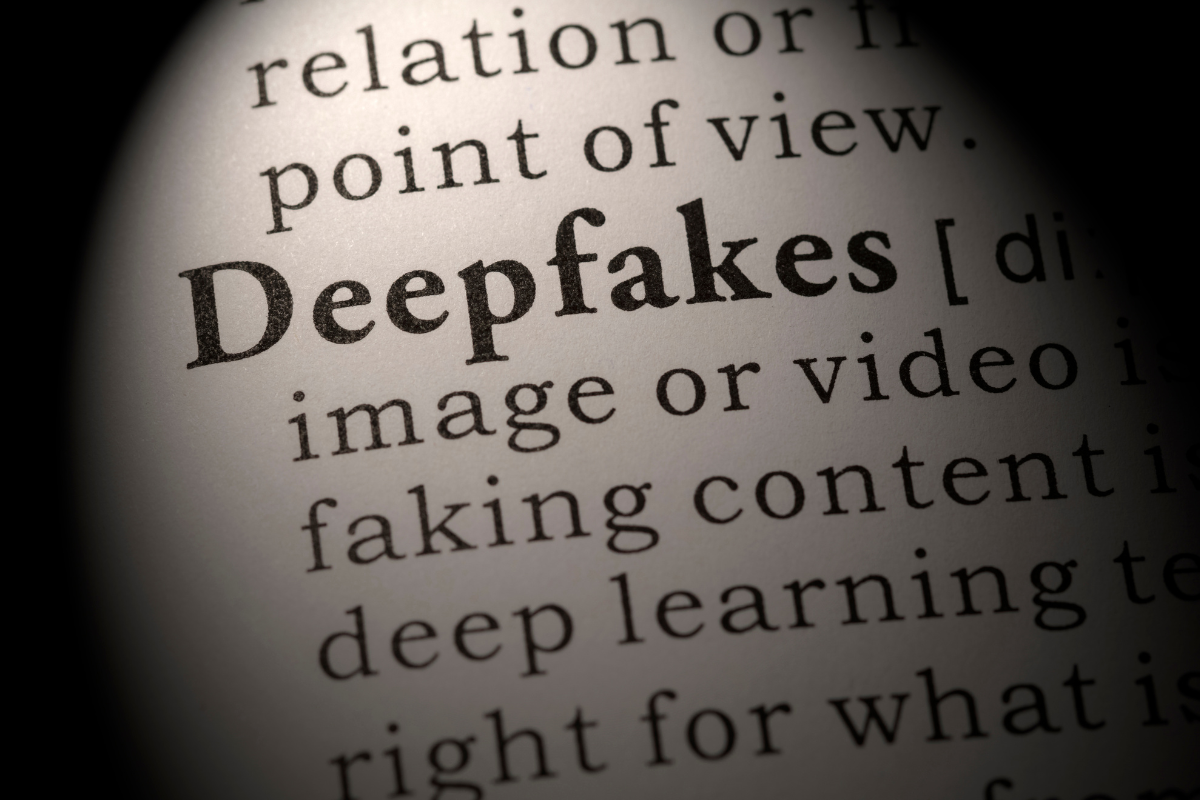
Deepfakes are no longer a novelty threat. The surge seems to continue with each passing quarter; for example, one report found a 41 percent increase in deepfake cybersecurity incidents in Q2 2025 compared to Q1. In 2026, synthetic identities that combine AI-generated voice, video, documents, and behavioral signals are going to consistently defeat identity verification processes, particularly in IT support and internal service desks.
Most internal support processes were built for speed and convenience. Password resets, MFA changes, device re-enrolments, and account recoveries are optimized to reduce friction for employees under pressure.
In practice, this means decisions are often made based on contextual plausibility: tone of voice, urgency, familiarity with internal language, or a believable backstory. A password reset requested over a call or video link may be logged as entirely valid.
Attackers now:
- Impersonate employees convincingly enough to bypass helpdesk checks
- Trigger credential resets, MFA changes, or device re-enrolment
- Chain these actions into broader access escalation
In 2026, this type of deepfake-driven fraud will drive faster movement toward biometric-backed verification as the standard (probably fingerprints), stricter step-up controls for support actions, and tighter coupling between identity assurance and help desk operations.
3. API-First Architectures Targeted
As organisations continue to modernise, APIs have become the connective tissue between apps, services, partners, and platforms. Cloud-native development, microservices, SaaS adoption, and third-party integrations all depend on APIs to move data and trigger actions at scale. APIs allow teams to decouple systems, ship faster, and integrate externally without rebuilding core applications. In practice, API-first design is what makes modern digital operations possible.

The security problem emerges from their widespread use, though. Across cloud-native and hybrid environments, APIs are often:
- Poorly inventoried
- Inconsistently authenticated
- Rarely tested beyond functional checks
For attackers, this is ideal. Undocumented or legacy APIs often bypass modern security controls entirely. Hacking into them can exploit business logic flaws, lead to data access, or facilitate unauthenticated actions. Shadow APIs, deprecated endpoints, and environment-specific variations quietly persist across dev, test, and production environments.
Penetration testing that excludes API discovery and abuse testing will provide false confidence in security. Organisations serious about reducing real risk should seek out pen testing that includes looking for security weaknesses in their APIs.
4. SaaS Platforms Become the Most Efficient Supply Chain Attack Vector
Rather than only breaching individual organisations one by one, threat actors increasingly look for points of aggregation. These systems, apps, or pieces of code sit upstream, inherit implicit trust, and operate across thousands of environments simultaneously.
Commercial SaaS platforms fit that profile perfectly. SaaS tools are deeply embedded in daily operations at SMEs: think identity providers, HR systems, ticketing platforms, finance tools, collaboration software, and DevOps services. They often hold broad permissions, integrate via APIs, and operate with long-lived access by design. It also doesn’t help that 55 percent of employees use SaaS tools without security or IT knowing about it.

In 2026, many of the most disruptive incidents won’t involve well-known software brands. They’ll stem from niche or “background” SaaS services; tools that perform a narrow function but sit close to sensitive workflows. Organisations that continue to treat SaaS platforms as inherently safer than internally hosted systems will underestimate where real exposure now sits.
5. Manufacturing Faces Sharper Regulatory Pressure
For European manufacturers, 2026 is a turning point when it comes to cybersecurity regulatory pressure. The reporting deadline for the EU’s Cyber Resilience Act looms large; September 11, 2026, is when manufacturers of products with digital elements need to start reporting actively exploited vulnerabilities. Full compliance with all of the regulation’s obligations will become mandatory on December 11, 2027.
Now is the time to get your house in order as a manufacturer. Security-by-design is expected now. This puts pressure not just on IT teams, but on engineering, product, and supply chain decisions. Manufacturers can no longer assume perimeter security or network segmentation alone will satisfy regulators.

In practice, this drives demand for:
- Realistic security validation, not checkbox compliance
- Evidence that systems can withstand credible attack paths
- Ongoing testing aligned to how products are actually deployed
In 2026, manufacturers that treat CRA as a documentation exercise will struggle. Those who use it as a forcing function to harden real-world resilience will gain a competitive advantage.
Preparing for the Year Ahead
DIESEC is here to help your business stay ahead of the evolving cyber threat landscape. Whether it’s regulatory advice for manufacturers, pen testing of your IT ecosystem (including APIs), or modular solutions tailored to your company’s defensive needs, we can harden your security posture.
Contact us today to learn more.