Cybersecurity in Denmark: An Overview
Are you looking for an overview of cybersecurity in Denmark? In this post, we take a deeper look at the cyber threat landscape of Denmark and how this could impact Danish SMEs.
Denmark is often ranked among the world’s most digitally advanced and cyber-resilient nations. It’s home to some of the most mature national cybersecurity strategies in Europe. Yet, Denmark’s very success in building a highly digitized society and an economy deeply reliant on global trade also makes it an attractive target for adversaries.
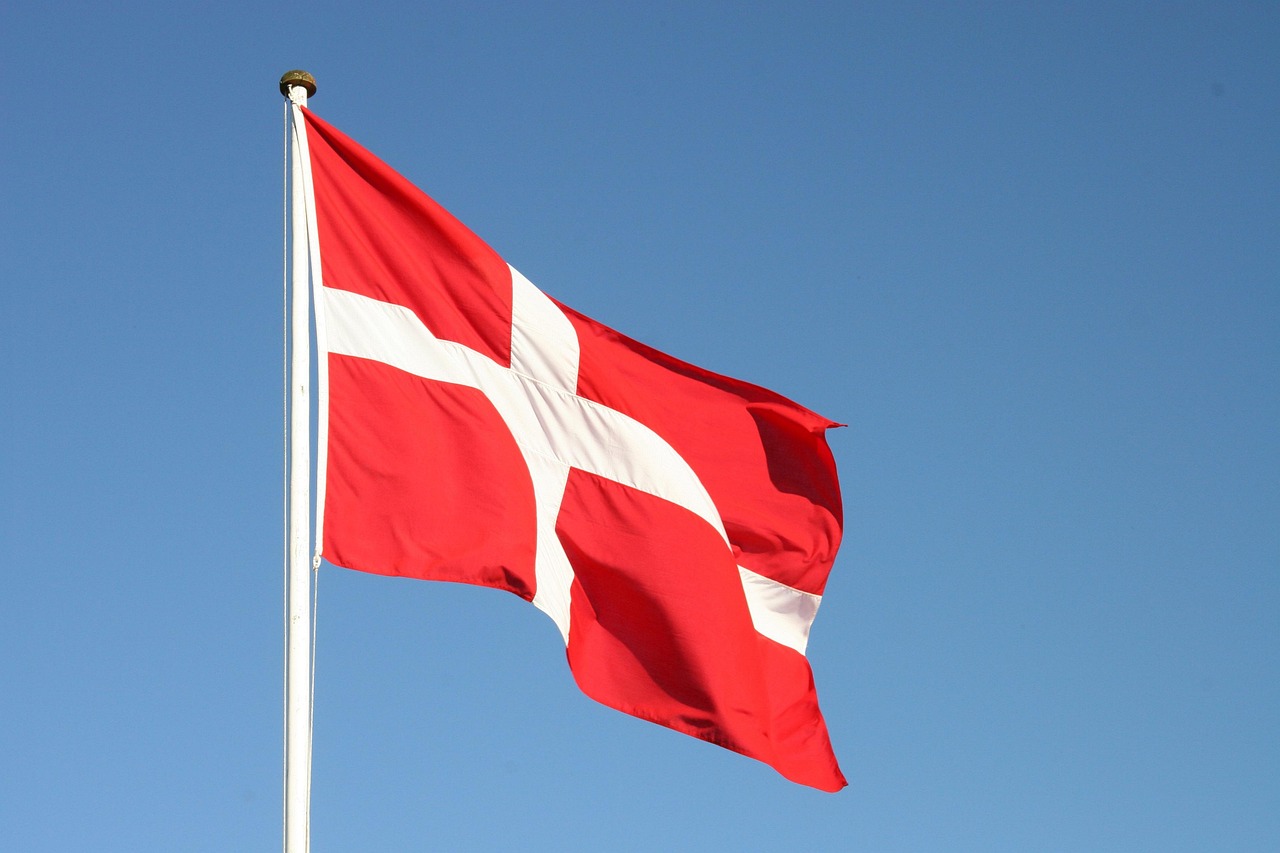
With shipping giants like Maersk, a flourishing renewable energy sector, and financial services tightly woven into global markets, Denmark sits at the intersection of industries that cybercriminals, state-backed groups, and hacktivists see as high-value targets. Its role as a NATO member bordering the Baltic region adds a geopolitical layer that exposes institutions and businesses to influence campaigns and disruptive cyberattacks linked to regional conflicts.
This paradox of strength paired with exposure defines Denmark’s cyber threat landscape. The country has the resources and frameworks to respond, but its openness, digital dependency, and global footprint mean that Danish organizations, from multinationals to SMBs, remain squarely in the sights of threat actors.
Cyber Attacks in Denmark
As recently as 2024, Comparitech scored Denmark as the number one most
cyber-secure nation. And yet, beneath that veneer of security, the reality is far more nuanced. Recent incidents demonstrate that adversaries are still breaching both public institutions and private sector entities even in this most secure of countries.
1. Pandora Hit by Third-Party Data Breach
In August 2025, well-known Danish jeweler Pandora confirmed a cyberattack that compromised customer names and email addresses. Hackers accessed the data through a third‑party service platform used by the company (perhaps a cloud service). Although financial data and passwords weren’t exposed, the breach shows how even globally trusted Danish brands remain vulnerable due to supply chain security issues. Although at least in the EU, it’s hoped that NIS2 requirements will help shore up supply chain security.
2. Small Danish Water Utility Plant
In a dedicated threat briefing about cyber threats in the Danish water sector, the Danish government reported that a small water utility plant was hit in 2024. Pro-Russian cyber activists, who often have deep knowledge of operational technology, were able to manipulate the water pressure at the plant. The result was that 400 households were briefly left without running water. Interestingly, this story went under the radar in Danish media.

3. Danish Municipal Websites
On December 9, 2024, dozens of Danish municipal websites, including those in Aarhus, Frederiksberg, Esbjerg, and others, went offline due to a cyberattack. Citizens were unable to access local services. The apparent cause was DDoS attacks from Russian botnets flooding these municipal websites with traffic. Unfortunately, local-level infrastructure is now equally susceptible to coordinated digital disruption.
What Denmark’s SMEs Should Take Away
Denmark’s national cybersecurity strategy says the country is an attractive target not just because of its wealth or digital dependence, but because of its active international role. That openness that spans the economic, political, and technological brings benefits but also creates exposure. In other words, Denmark isn’t being targeted by accident; its very success makes it a magnet for sophisticated adversaries.
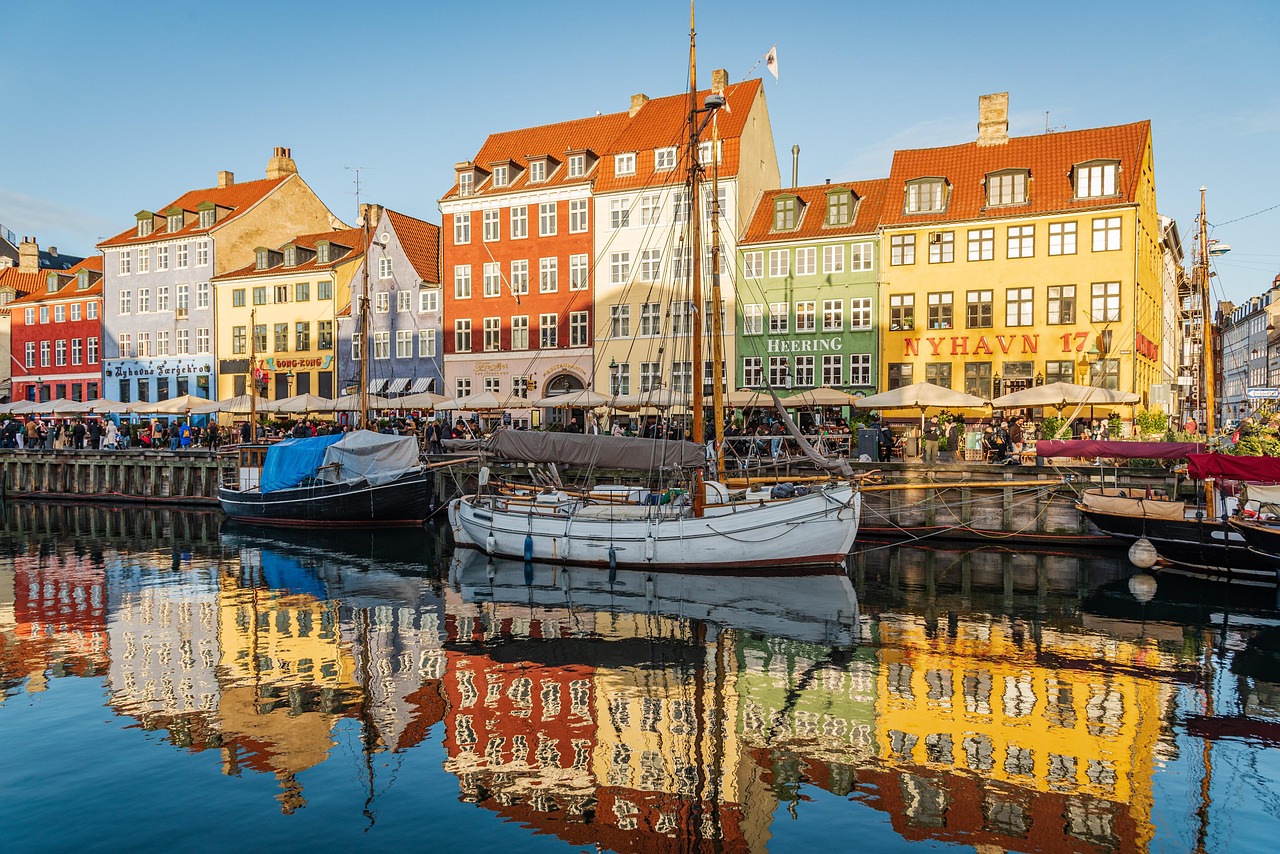
The Danish government highlights SMEs as a particular target. With nearly 300,000 small and medium-sized enterprises forming the backbone of the Danish economy, even a small fraction of compromises can ripple through supply chains, undermine public trust, and erode competitiveness. For individual businesses, a bad breach can mean crippling downtime, regulatory penalties, or outright business failure.
Attackers also know SMEs often provide code, software components, or managed services that larger organizations depend on. A single compromise in an SMB’s environment can cascade into wider systemic risks. This further increases their exposure to cyber risks.
The government’s own cybersecurity strategy alludes to how SMEs lack the skills and resources to implement appropriate security measures, and the shortage of qualified professionals remains a systemic problem. With authorities and companies alike struggling to recruit and retain cyber talent, many SMBs are effectively locked out of building the defensive depth enjoyed by larger enterprises.
To compensate for missing headcount, SMBs often patch together multiple tools: endpoint AV, firewalls, email filters, cloud monitors, etc, and each of them needs separate expertise to configure and manage. The result ends up being fragmentation with too many consoles, too many alerts, and no cohesive picture.
The Danish strategy stresses that SMEs are part of the national cyber defense fabric. When compromised, they can serve as stepping stones into government systems, critical infrastructure, or larger corporate partners. With NIS2 alignment raising the bar, SMBs will increasingly be expected to demonstrate robust security postures or risk losing business.
Perhaps the most underestimated risk is how fragmented security setups drag SMBs’ limited IT talent away from value creation. Complexity creates opportunity cost. Every hour spent firefighting false positives or chasing misconfigurations is an hour not spent supporting innovation or improving efficiency.
Strengthening Cybersecurity in Denmark
By consolidating fragmented tools into a single interface, automating remediation, and providing on-demand modules that can be switched on as threats and regulations evolve, DIESEC’s cybersecurity solution removes the burden of tool sprawl. Continuous monitoring and simplified management act as a force multiplier for scarce IT talent, allowing Danish SMEs to maintain resilience even without large dedicated teams.