
The Psychology of Phishing
It’s sometimes tempting to view phishing as something you can fix with a good email security solution or MFA policy. However, the harsh reality is that phishing remains effective despite the increasing adoption of best practices in technical defenses.

And it works so well because phishing tactics exploit cognitive shortcuts baked deep into the human psyche. This blog post dives into the psychology of phishing to explore why it remains such an effective way to compromise IT environments. Understanding the operating system of human brains is really the best way to get to grips with this threat.
Cognitive Biases in Phishing
Cybercriminals use social engineering to exploit the way our brains are wired to make decisions. As psychologist Daniel Kahneman outlined, we operate using two systems of thought:
- System 1, which is fast, instinctive, and emotional
- System 2, which is slower, analytical, and deliberate
Phishing attacks are engineered to trigger System 1, forcing recipients into rapid, low-effort decisions before System 2 even engages. That’s why even well-trained professionals can fall for a convincingly crafted email. Once your brain thinks “This looks urgent” or “That logo is familiar”, the bias kicks in.
Authority Bias
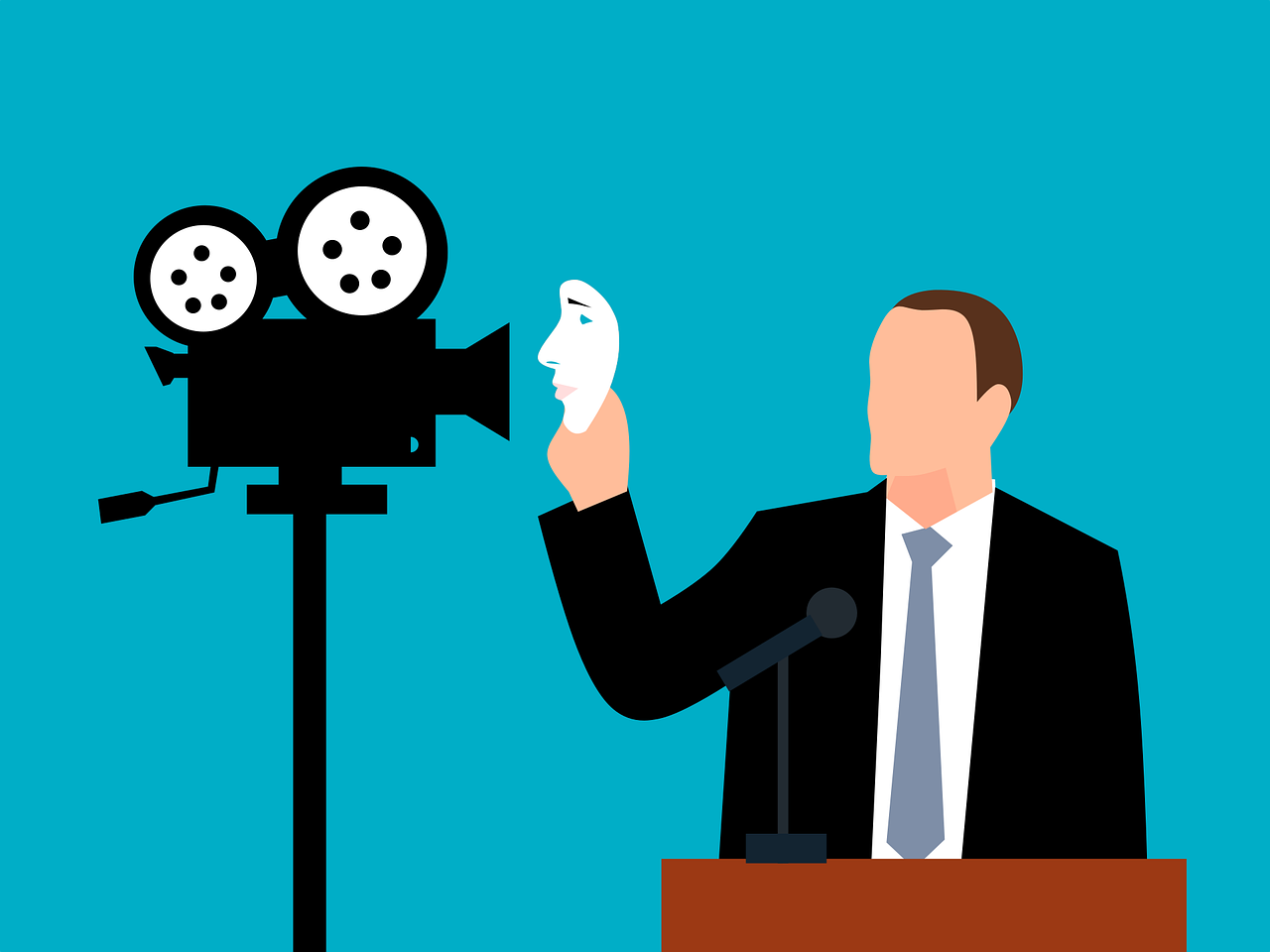
We’re trained, both socially and professionally, to defer to authority. When an email appears to come from a manager, CEO, or a trusted brand like Microsoft or Amazon, the brain takes a mental shortcut: “This is important. Do what it says.” Attackers exploit this reflex by spoofing logos, job titles, and sender addresses that trigger compliance rather than scrutiny.
Urgency Bias
“Your account will be locked in 24 hours.” “Unusual login detected. Reset now.” These prompts bypass rational thought by triggering a sense of impending loss or danger. Under perceived time pressure, recipients are far more likely to click first and think later, which is exactly what the attacker wants.
Commitment and Consistency Bias
If someone receives an innocuous-seeming email asking for a small action, say, confirming a username, they’re more likely to comply with a bigger ask in a follow-up email. This tactic mirrors sales psychology: get someone to say yes once, and they’re more likely to say yes again to maintain internal consistency.
Familiarity Heuristic
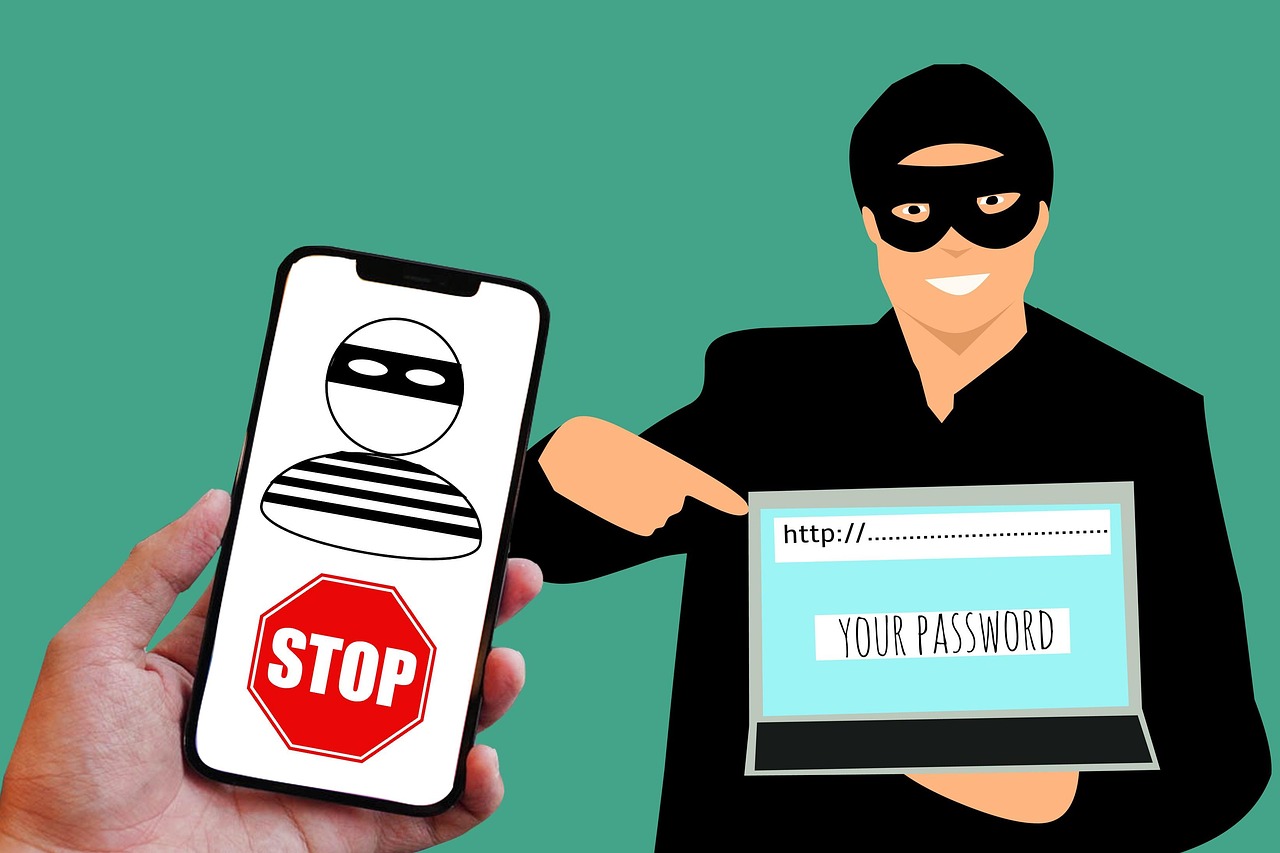
Humans trust what they’ve seen before. A login screen with familiar branding, even if it’s slightly off, can create enough perceived legitimacy to bypass critical scrutiny. That’s why so many modern phishing kits painstakingly replicate the look and feel of Microsoft 365, Google Workspace, or DocuSign portals.
Scarcity Bias
Offers like “last chance to redeem” or “only two spots left” create artificial scarcity, prompting immediate action. In phishing, this plays out as fake HR benefits deadlines, exclusive executive meeting invites, or limited-time document access, which are all designed to short-circuit rational analysis.
The Role of Trust, Familiarity, and False Confidence
Humans are hardwired to conserve mental energy by outsourcing trust to environmental cues. We rely on heuristics, essentially quick mental shortcuts, to decide what’s safe. That’s what makes modern phishing so effective: attackers now deliberately embed those cues to manufacture legitimacy and short-circuit skepticism.
CAPTCHAs are an emerging false flag in phishing. Designed to prove that users are human, CAPTCHAs have become an unexpected trust signal. As recently reported by Talos Intelligence, phishing kits now include real or fake CAPTCHAs on malicious pages, tricking users into thinking they’ve landed on a legitimate site.
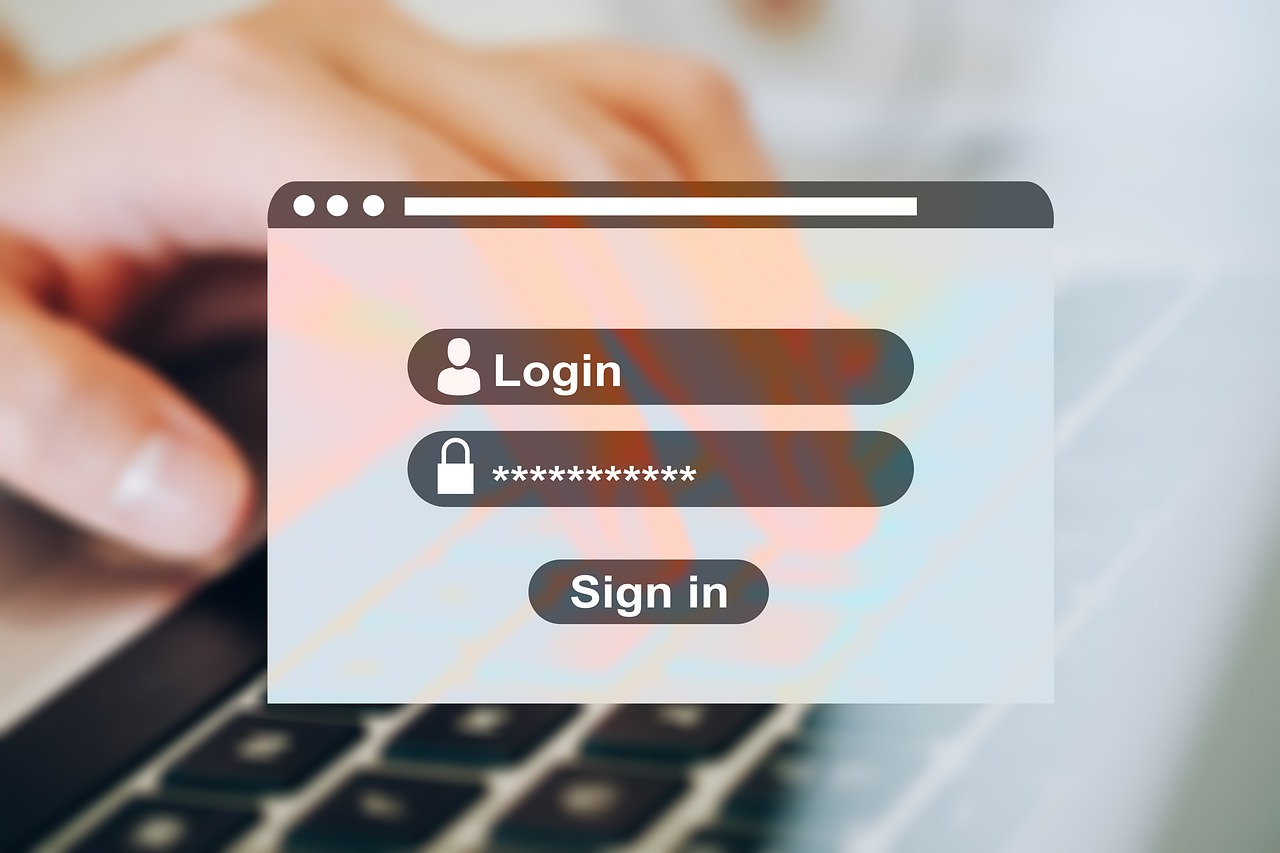
This tactic taps into a subtle but powerful psychological link: we’ve come to associate CAPTCHAs with banking, SaaS logins, or password resets — contexts that must be secure. This learned association creates a layer of false confidence that makes users more likely to enter credentials without verifying the URL.
Phishing in 2025 is less about misspellings or strange URLs. After all, 82.6 percent of phishing emails now use AI, so these anomalies or obvious red flags don’t really appear as much in phishing emails. Instead, threat actors create high-fidelity replicas of what should be safe. And when users encounter something that mimics a legitimate flow, their cognitive vigilance drops.
Microtargeting Meets Manipulation
Phishing used to cast a wide net. Now it reads your LinkedIn profile, spoofs your HR portal, and references yesterday’s webinar invite. We’ve entered the era of hyper-personalized phishing.
Let’s break that down:
- Targeting the Self-Concept: When an email addresses you by name, mentions your company, and references your job function or location, it creates a powerful illusion of legitimacy. This is psychological mirroring. Humans are more likely to trust communication that reflects back aspects of their identity.
- Getting you onto your Phone: QR codes are increasingly embedded in email bodies, especially those impersonating service providers or logistics companies. Why? Because QRs shift the attack to mobile, bypassing common desktop email protections and making inspection harder. The attacker knows that when users scan with their phone, they’re no longer protected by enterprise endpoint defenses, and they’re less likely to scrutinize URLs on a 5-inch screen.
- Data-Driven Pretexting: With access to breached databases, scraped social media info, and stolen credentials from the dark web, attackers are crafting emails that speak the target’s language. They’re referencing tools people actually use, colleagues they know, or even internal jargon.
Realistic Phishing Simulations with DIESEC
Most phishing simulations fail where it matters most: psychological realism. When employees see obviously fake URLs or poorly formatted emails, they learn to pass the test, not spot the threat.
Our simulations are engineered to mimic the exact tactics real attackers use: emotional triggers, contextual accuracy, device targeting, and brand impersonation that looks and feels authentic. We build simulations that reflect modern phishing vectors, including mobile-first redirection tactics, and pages that use visual trust signals like CAPTCHAs or HTTPS locks.
Campaigns are designed to challenge users at the cognitive level, provoking the same instinctive reactions that real attacks exploit, whether that’s urgency, curiosity, or trust in familiar workflows.
With our simulations, your business can:
- Test real behavior under pressure, not just checkbox awareness
- Surface gaps in executive and frontline user readiness, especially in fast-moving attacks
- Adapt campaigns to evolving attack trends, from MFA fatigue phishing to SaaS impersonation