Analyzing the Cybersecurity Threat Landscape in Finland
The cybersecurity threat landscape in Finland is shaped as much by geography as by technology. Sharing a long border with Russia, Finland sits on a geopolitical fault line that has already made it a prime target for state-linked cyber operations. Since joining NATO in 2023, it has faced heightened scrutiny from adversaries eager to test its defenses and probe its public institutions while also targeting private sector companies.
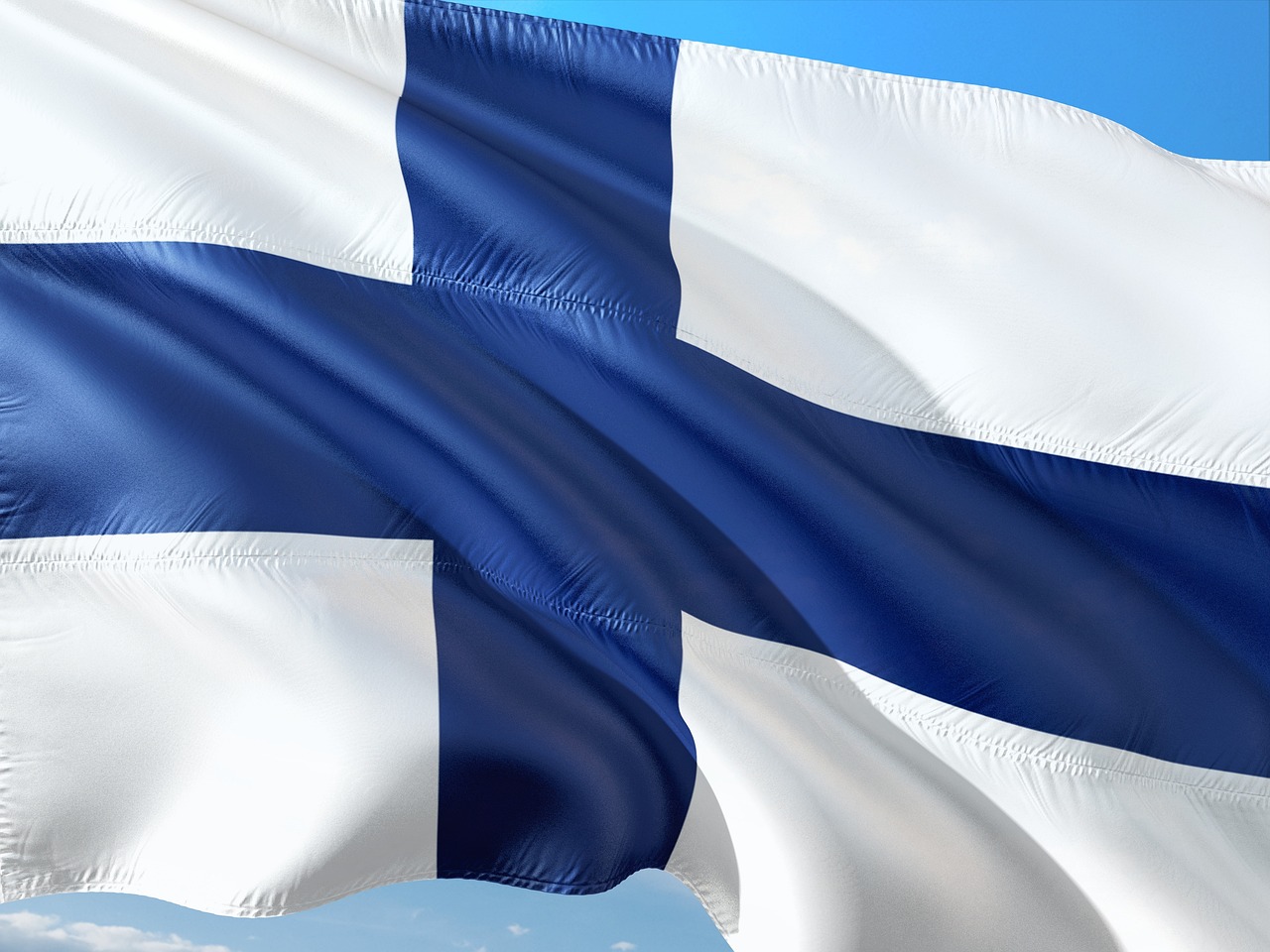
At the same time, Finland is one of the most digitally advanced economies in Europe, with a thriving tech sector, widespread adoption of online government services, and heavy reliance on cloud infrastructure. Finnish companies need to balance the promise of digital efficiency with the constant threat of disruption from both state-backed actors and financially motivated cybercriminals. Let’s take a look at the cybersecurity threat landscape in Finland.
Cybersecurity Threat Landscape in Finland
To understand the types of cyber threats facing Finnish companies and organizations, it’s worth taking a look at some notable incidents in recent times.
Valio Breach via Service Provider Credentials
In December 2024, Finland’s dairy giant Valio suffered a data breach exposing the personal details of over 5,000 employees and cooperative members after threat actors compromised an IT service provider, Vincit. Sensitive information, including names, ID numbers, salaries, and bank account data, was at risk, along with records from Valio’s pension systems. The incident underscores how weak links in third-party ecosystems affect institutions everywhere.
Pro-Russian DDoS Disrupts Political Websites
On the eve of Finnish regional and municipal elections in April 2025, a pro‑Russian cyber group named NoName057(16) launched DDoS attacks on nearly all Finnish parliamentary party websites, as well as key election platforms like vaalit.fi and äänestyspaikat.fi.
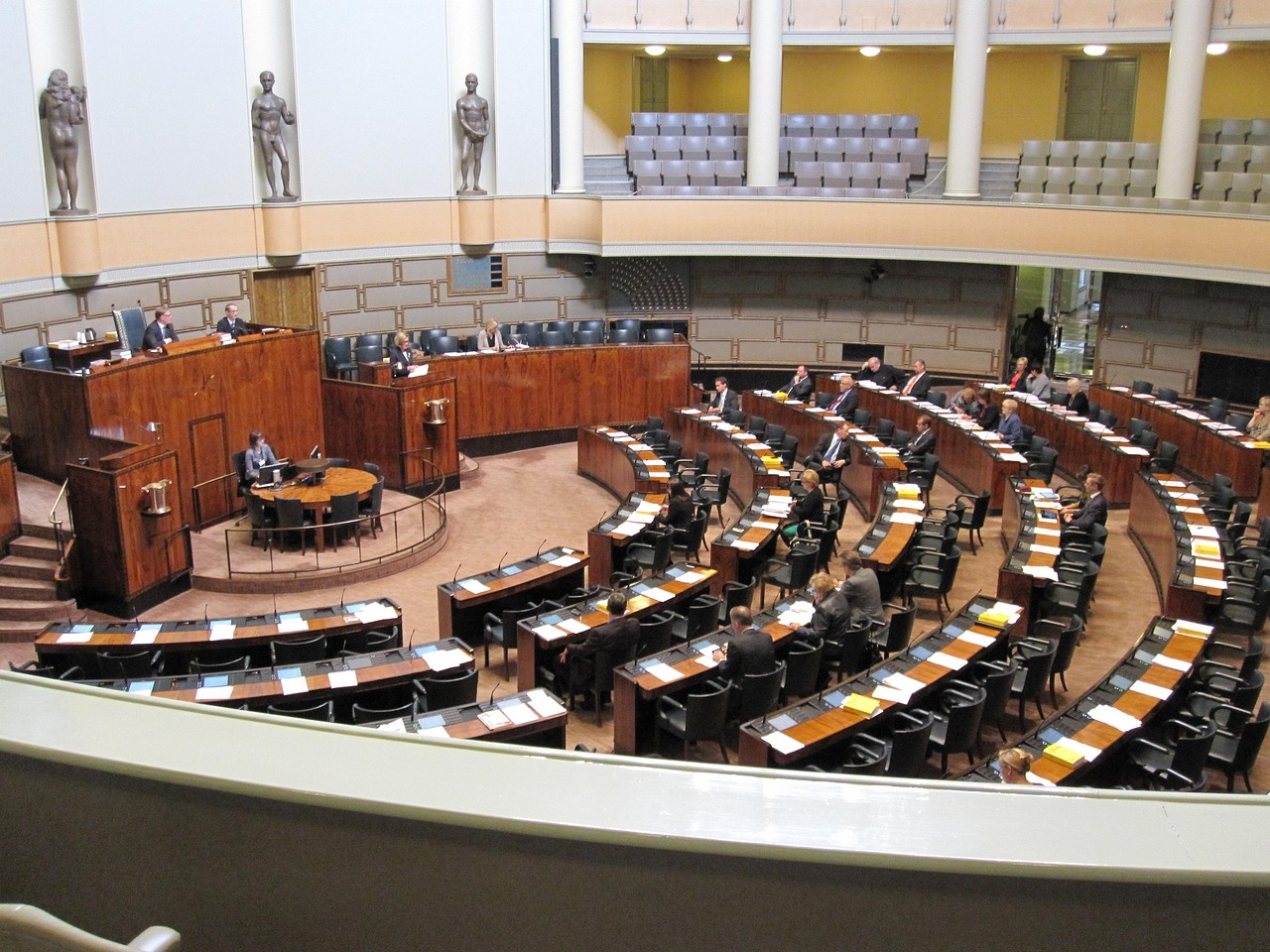
With Finland’s geopolitical positioning and recent NATO accession, the attacks demonstrate how cyber operations are increasingly used to sow political disruption. This extends beyond the more common nation-state threat actor goals, such as espionage or data theft.
Psychotherapy Clinic Breach Sparks Identity Law Reform
Following a devastating breach at the Finnish psychotherapy network Vastaamo, sensitive data from up to 40,000 clients was leaked and used in extortion attempts. In response, Finnish authorities moved swiftly to draft legislation allowing citizens to change their personal identity codes. This was quite a rare and bold legal step aimed at mitigating identity theft in the aftermath of cybercrime. It also highlights how deeply personal data breaches can trigger significant policy reform.
The stark reality of cyber threats in Finland is that they seem to cut across the foundations of society and the most personal corners of life:
- Democratic institutions under siege: The DDoS campaigns against political party websites were deliberate attempts to erode public trust in democratic processes, amplifying geopolitical tensions and testing Finland’s ability to defend its civic infrastructure.
- Public trust in healthcare shaken: The psychotherapy data breach demonstrated how attackers target the most sensitive data possible to cause reputational, psychological, and social harm. When stolen records concern mental health, the consequences extend far beyond monetary loss, affecting dignity, privacy, and trust in critical services.
- Cross-sector spillover risks: The Tietoevry ransomware attack shows that service providers are a force multiplier for attackers. One compromised IT partner cascaded into outages across municipalities, universities, retailers, and healthcare systems. A single breach can ripple across dozens of verticals simultaneously.
From the institutions that safeguard democracy, to the systems that safeguard mental health, to the IT vendors underpinning daily business operations, Finnish organizations face a threat landscape where every layer is fair game.
Defensive Strategies in Finland
Cyber threats are wide-ranging in Finland, but the government does take quite a proactive approach to national cybersecurity strategy. In 2024, the Finnish government published a 61-page document outlining the country’s national cybersecurity strategy for the next decade.
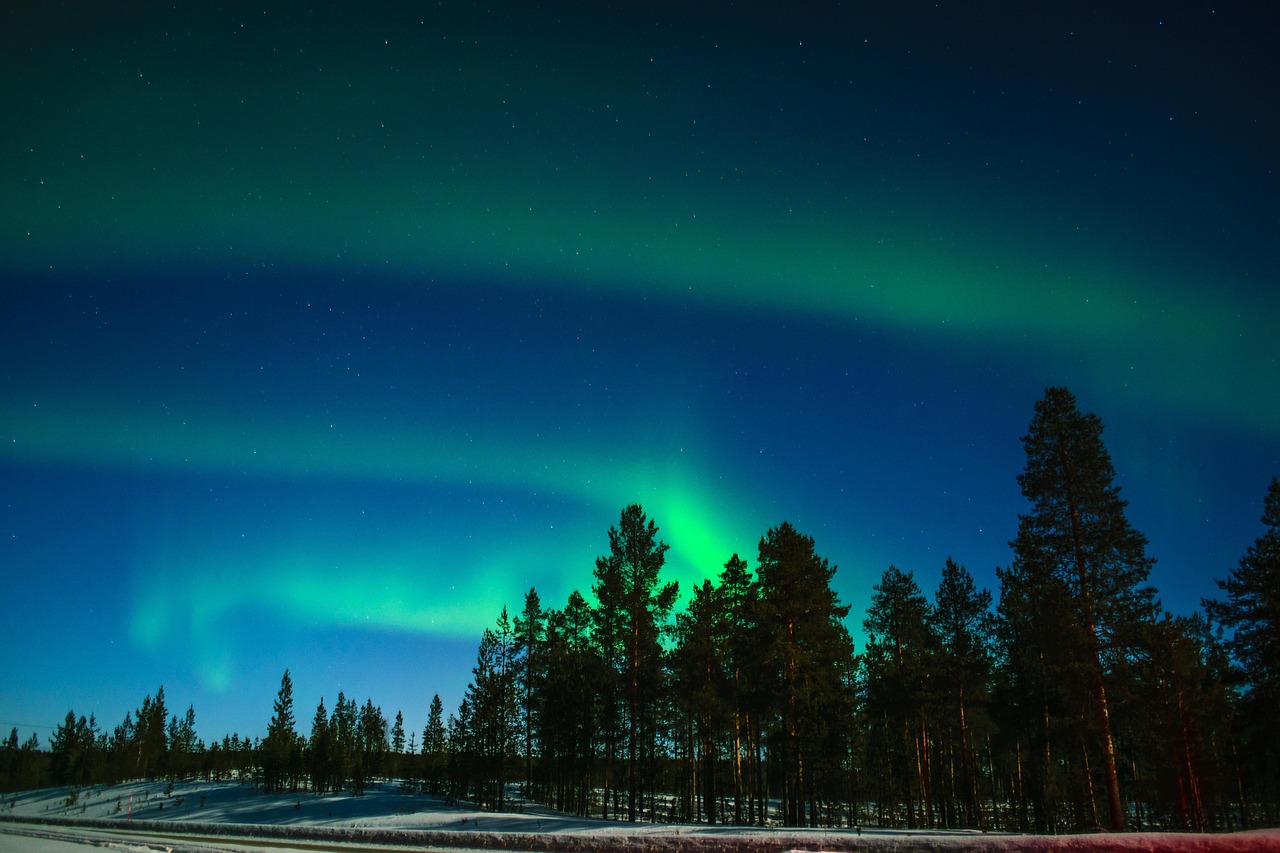
The strategy refers to how the responsibility for securing this digitally advanced nation rests largely in the hands of the business community. It also refers to how preparedness is a joint endeavor when it comes to cybersecurity. Evidence of this in action can be seen from national exercises, known as KYHA, conducted in the north of Finland in early 2025. These exercises included participants from service providers, ICT providers, and critical operators from water and electricity companies
It’s worth noting that the Finnish government’s updated strategy also refers to the need for alignment with NIS2 as part of the impetus for altering the country’s cybersecurity direction. NIS2 contains important provisions related to supply chain security. Lapses in supply chain security continue to play a role in many cyber breaches, including those hitting Finnish companies.
Yet while Finland’s national strategy sets the tone, the reality is that the burden of execution falls unevenly. Large enterprises and critical operators can participate in national exercises and allocate big budgets to NIS2 compliance. Smaller businesses, however, like the suppliers, subcontractors, and IT service providers that make up much of Finland’s digital economy, often lack the same resources. And yet, these SMBs are integral nodes in the supply chain, meaning their vulnerabilities can cascade into much larger disruptions, as recent incidents have shown.
Supporting Finland’s SMBs in a Shared Responsibility Model
The Finnish government has made it clear through its updated national cybersecurity strategy that defending this landscape is a shared responsibility, and that means the business community, large and small, is on the front line. For SMEs that can get overwhelmed by tool sprawl or limited by budget constraints, DIESEC provides a practical path forward.
By consolidating essential protections like email, endpoint, identity, and data into a single, modular platform, we give Finnish SMBs the ability to defend themselves without adding layers of complexity or cost. This modular model allows smaller businesses to scale protections as their risk profile changes, ensuring they remain resilient even as attackers adapt. DIESEC partners with Coro to provide your SME with the cybersecurity it needs in a digitally advanced society.