
Cybersecurity in the Nordics: Building Resilience in a Digitally Advanced Region
Following on from our blog outlining the threats to Nordic cybersecurity, a natural question to ask is why such a digitally advanced region faces an onslaught of threats. And the answer really is that the region matters strategically—to allies, to adversaries, and to global tech infrastructure.
This makes resilience, the ability to not merely prevent incidents but absorb, respond, and recover from them, vital to cybersecurity in the Nordics. After all, attacks are inevitable. This article takes a look at how Nordic countries can increase cyber resilience.
Cybersecurity in The Nordics: A Country-by-Country Snapshot
While the Nordic countries share many cultural and political values, their cybersecurity strategies are far from one-size-fits-all. Each country’s national approach reflects its unique threat landscape, infrastructure profile, and policy priorities—from Denmark’s logistics-heavy economy to Finland’s proximity to Russia.
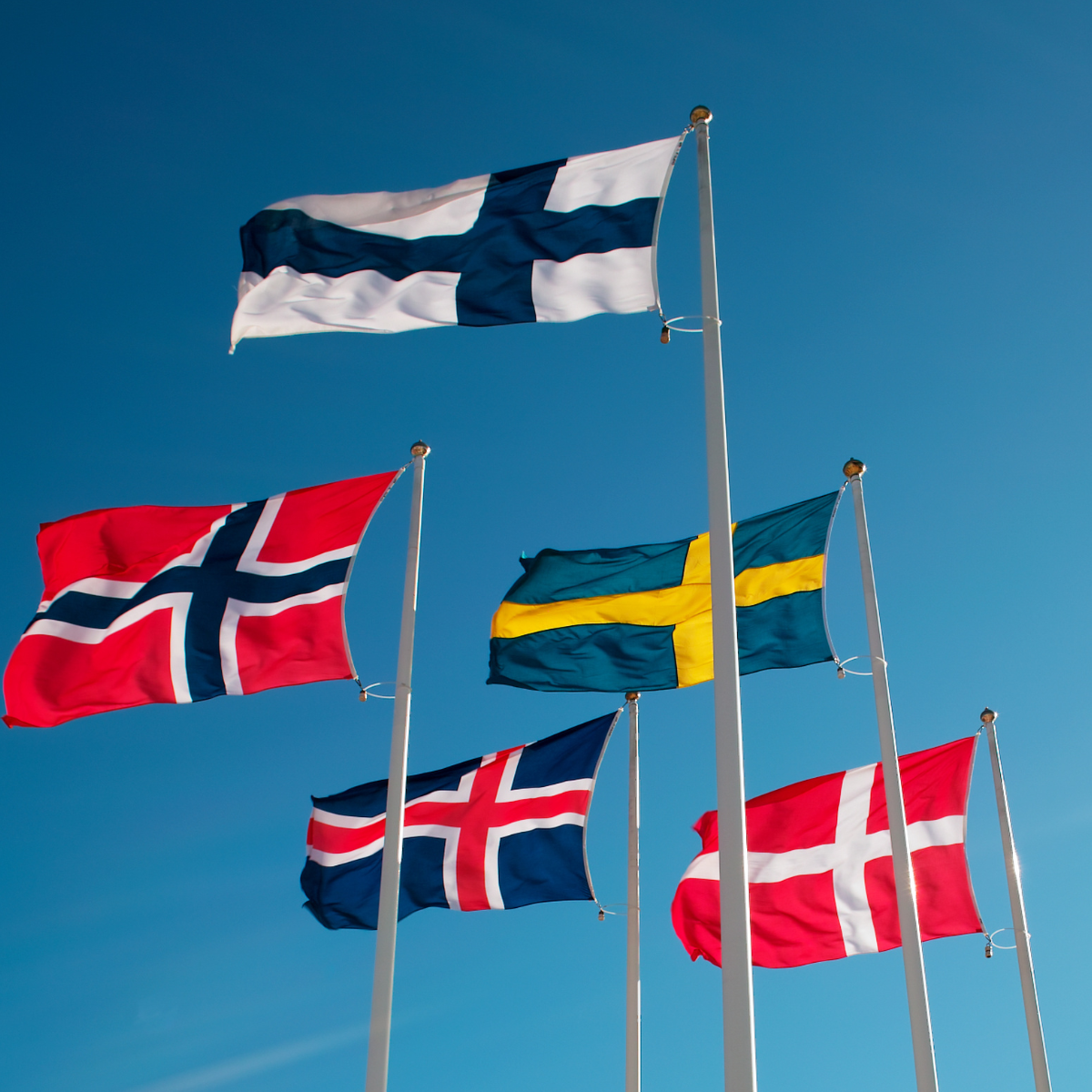
Cybersecurity in the Nordics
These tailored strategies matter. In an era of hyper-connected systems and globalized threat actors, national cyber strategies act as the scaffolding for long-term resilience, not just by protecting assets, but by aligning resources, creating shared priorities, and formalizing response expectations across sectors.
National strategies signal intent, establish accountability, and build confidence among public and private actors navigating the same threat environment. Also, individual strategies serve as the building blocks for a wider, more robust Nordic cyber defense posture.
Denmark
Denmark’s national cybersecurity strategy is anchored by the Centre for Cyber Security (CFCS), with a strong focus on protecting critical sectors like maritime transport, logistics, and energy. Denmark’s emphasis on centralized threat monitoring via the CFCS sets a resilience benchmark by enabling faster detection and coordinated cross-sector responses, a model others with high IoT and OT reliance should watch closely.
Finland
Finland has rapidly updated its cyber defense posture in response to regional tensions, especially after joining NATO. The National Cyber Security Centre (NCSC-FI) leads threat intelligence sharing and capacity-building efforts across sectors. Finland’s proactive approach to resilience combines legislative reform with national cyber exercises, and demonstrates how agility in policymaking is just as critical as technological investment.

Sweden
Sweden’s cybersecurity strategy prioritizes hybrid threat preparedness and increased cooperation between civilian and military cybersecurity units, including the FRA (Swedish National Defence Radio Establishment). Sweden’s integrated civilian-military cyber readiness model reflects a maturing definition of resilience that emphasizes societal cohesion in the face of disinformation and cyber sabotage.
Norway
Norway, via its National Security Authority (NSM), focuses on securing critical infrastructure like oil, energy, and shipping. These sectors are vital to its economy. It also maintains high public-private collaboration through national CERTs. Norway’s resilience strategy is notable for its emphasis on continuity: securing OT-heavy industries not just from attacks, but from long-term disruption, showing that uptime protection is core to cyber resilience.
Iceland
Iceland’s smaller size and geographic isolation haven’t exempted it from cyber threats, prompting recent enhancements to national cybersecurity frameworks, particularly around digital government services and public awareness. Though less targeted than its neighbors, Iceland’s cyber resilience story lies in its preventive stance that prioritizes public digital literacy and secure e-governance before adversaries exploit its relatively centralized systems.

Public-Private Partnerships: The Nordic Model
In contrast to more siloed or top-down approaches seen elsewhere, Nordic cyber resilience is rooted in trust-based, institutionalized cooperation. Take Finland, for example. Its NCSC-FI doesn’t just push alerts—it regularly hosts national-level cyber exercises involving both private and public actors. These drills simulate multi-vector attacks and test cross-sector readiness. The key insight here is that cyber resilience isn’t just about having the right tools; it’s also about building muscle memory across the entire digital ecosystem.
In Sweden, sectoral partnerships are supported through state-backed knowledge-sharing platforms and public grants for cybersecurity R&D. The country also encourages participation in European initiatives like the EU Cybersecurity Competence Centre, while ensuring its own agencies (like MSB and FRA) maintain open channels with critical infrastructure operators. The Swedish model demonstrates that resilience scales when government and industry speak the same language, not just during crises but through ongoing collaboration.

Across the Nordics, public-private collaboration is central to how these countries build digital trust and operational continuity. This model offers a blueprint for how cyber resilience can be decentralized, adaptive, and community-driven. These qualities are increasingly useful in a world of evolving threats and complex interdependencies.
Building for the Future: What Resilience Looks Like in Practice
As the Nordic region’s digital infrastructure becomes more complex, and threats grow more sophisticated, resilience is shifting from a reactive mindset to a proactive, practice-driven discipline. One of the most forward-looking trends is the normalization of national-level cyber exercises. Countries like Finland and Sweden regularly simulate multi-sector attacks, not just within government or critical infrastructure, but in collaboration with private industry.
These simulations test coordination under pressure, push incident response plans beyond theory, and help identify blind spots in real time. The underlying principle is clear: resilience is something you rehearse, refine, and embed.
Automation is also a key theme. Across the Nordics, more security operations centers are adopting AI and machine learning tools for faster threat correlation and anomaly detection. But this isn’t about replacing human judgment; it’s about elevating it. The future of resilience in the region looks like smart orchestration: automated where possible, human-led where necessary, and deeply integrated into business continuity strategies.
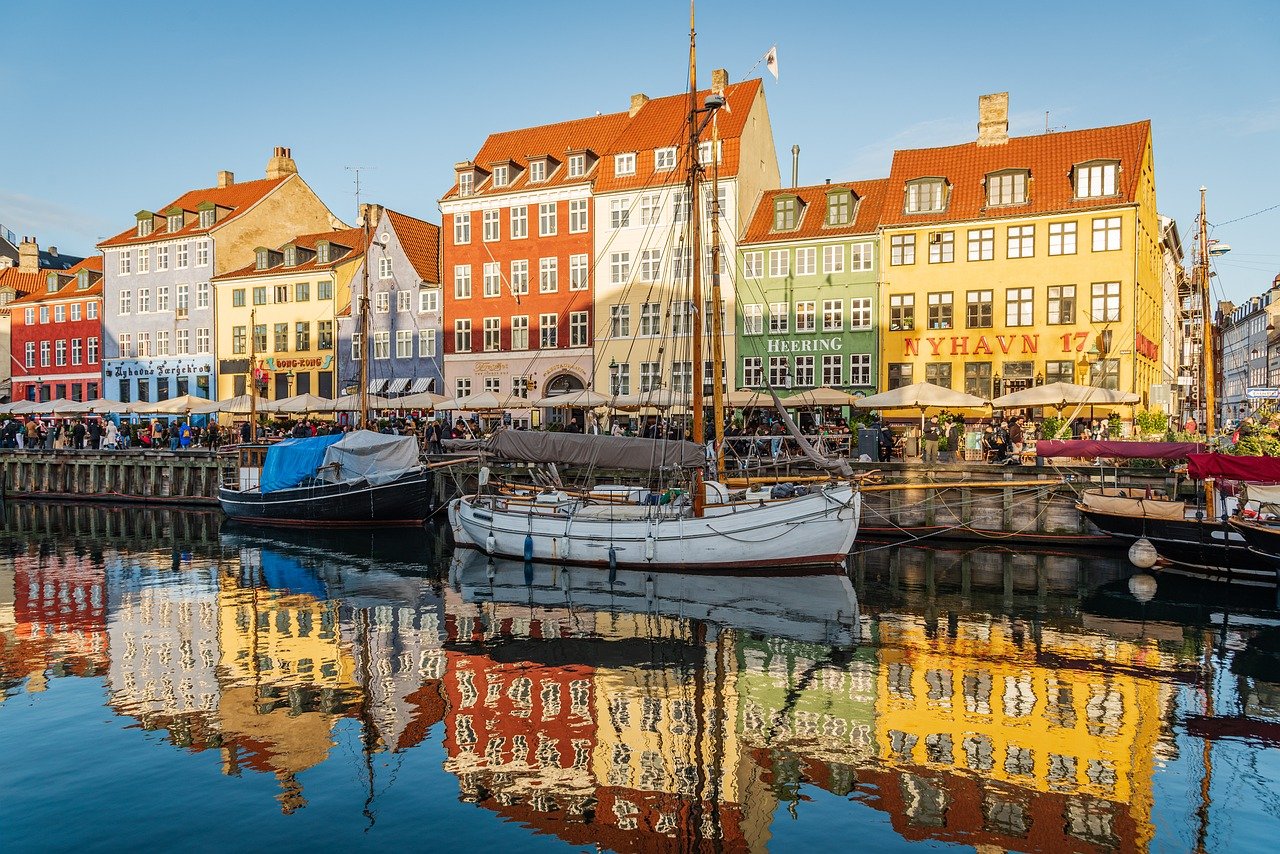
Another hallmark of the Nordic approach is its investment in cyber talent pipelines. From digital literacy initiatives in schools to upskilling programs for SOC analysts, there’s a region-wide effort to grow expertise internally.
But here’s where the resilience equation gets more nuanced: not every organization, especially smaller ones, can afford to build deep in-house capabilities. This is where external security services, from external pen testing to managed compliance partners, play a growing role.
Whether it’s navigating the complexities of NIS2 compliance, managing threat detection, or receiving guidance on secure architecture, outsourcing select functions allows smaller organizations to punch above their weight without sacrificing core focus. In a region where even small firms are digitally mature, external expertise is often the fastest route to resilience at scale.
At DIESEC, we’re here to supporting Nordic companies in their cybersecurity resilience efforts. We offer penetration testing, NIS 2 Directive guidance, and more.