
DACH Threat Landscape 2026: What SMEs Must Know
A ransomware incident can halt a production line, disrupt a logistics network or leave a clinic scrambling to access essential systems. Across Germany, Austria and Switzerland, those risks are no longer hypothetical. ENISA’s 2025 Threat Landscape report names ransomware as the most disruptive and economically damaging activity in the EU, while hacktivist activity, most of it low-impact DDoS campaigns tied to geopolitical tensions, accounted for close to 80% of all reported incidents. That is the shape of the DACH threat landscape heading into 2026.
For companies in the DACH region, the point is not that cyber risk has suddenly appeared. It is that the threat has changed in character. The attacks are more frequent, more public and more likely to spill beyond the IT department into operations, legal exposure and executive decision-making.
Why DACH Attracts Attackers
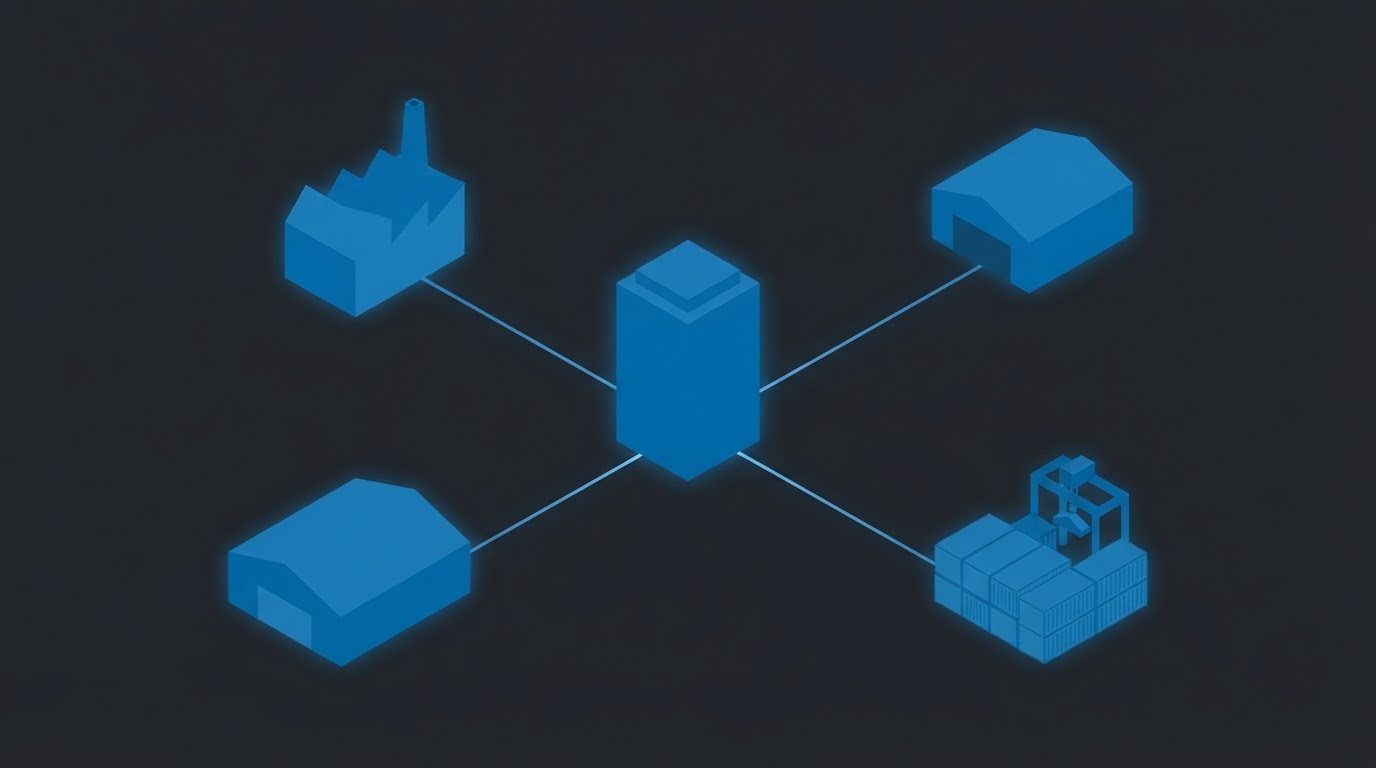
Manufacturing, logistics and supplier networks give attackers exactly the leverage they look for.
The region combines economic value with heavy reliance on digital systems and a large network of suppliers. A weakness in one company can quickly become a problem for another. Germany remains Europe’s largest economy, and the wider DACH region includes a concentration of manufacturers, transport operators, technology firms and other organisations whose downtime carries an obvious price. It’s a major reason the DACH threat landscape looks the way it does.
That matters because a digital incident in an industrial environment rarely stays confined to a single screen or server. In highly connected production and logistics settings, a compromised account or an exposed remote access service can become an operational problem very quickly. ENISA’s threat landscape work points to the importance of dependencies and cross-sector exposure, especially where critical services, public-facing systems and supplier relationships intersect.
Regulation is adding another layer of pressure. NIS2 and related frameworks are pushing boards and senior management to treat cybersecurity as a governance issue rather than a narrow technical concern. In practice, that means incidents now carry not only recovery costs, but also reporting duties, scrutiny from regulators and uncomfortable questions about whether basic precautions were in place before the breach occurred.
Ransomware Is Still the Main Problem

ENISA still names ransomware the most disruptive threat in the EU.
For all the noise around new attack techniques, ransomware remains the most damaging threat in practical terms. ENISA describes it as the most impactful cyber threat in the short term, with ransomware and data breaches dominating cybercrime activity targeting EU organisations over the past year.
That broad European picture matters for DACH because the region contains many of the sectors ransomware groups prefer: manufacturing, transport, finance, business services and public administration. ENISA’s sectorial reporting and independent summaries of the 2025 report put public administration as the most targeted sector by a wide margin, with business services, transport, manufacturing and finance following behind it. The exact order among those second-tier sectors shifts somewhat depending on the source and reporting period, so those rankings should not be copied mechanically onto every country in the region, but they do show where attackers are finding leverage.
Attackers do not need to compromise the biggest company in the market. It is often enough to find an organisation with weak access controls, an exposed system, poor segmentation or backups that have never been properly tested. In environments where operations run on tight schedules, even a short interruption can create pressure to restore service quickly, and that pressure is exactly what ransomware groups try to exploit.
Hacktivism Is Changing the Tempo of Incidents

Hacktivism drove close to 80% of reported EU incidents in ENISA’s latest cycle, most of it DDoS.
Ransomware may cause the deepest damage, but hacktivism is reshaping the tempo and visibility of the DACH threat landscape. ENISA reports that hacktivism accounted for close to 80% of the incidents recorded in its latest reporting cycle, and DDoS was the dominant incident type overall, largely associated with campaigns against public administration and other visible targets. Only a small share of the hacktivist incidents in that dataset, around 2%, caused confirmed service disruption; the rest were noisy by design rather than damaging.
Their purpose is not always to steal data or stay hidden. Sometimes it is simply to interrupt, embarrass or make a political point in public. That matters to private sector organisations as well. Companies with a public profile, visible customer services or ties to politically sensitive supply chains can be swept into campaigns that are opportunistic, ideological or both. Even when the technical effect is limited, the consequences can still be costly: unavailable services, delayed transactions, internal firefighting and rushed communication to customers or partners.
What makes this more difficult is that hacktivism and conventional cybercrime do not always sit neatly apart. The tools, channels and methods can overlap, and ENISA notes a more convergent environment in which different threat groups reuse tactics and adapt quickly. From a defender’s point of view, the label matters less than the operational outcome.
The Extortion Model Has Matured
The old picture of ransomware, in which attackers simply encrypted files and waited for payment, no longer captures the full problem. Current extortion campaigns are more layered. Data theft, pressure on partners or customers and threats of public disclosure are now part of the playbook in many incidents across Europe.
This changes the response burden on victims. Restoring systems from backup is still essential, but it is no longer the whole job. Organisations also need to know what data may have been accessed, who must be informed, what legal duties have been triggered and who inside the business is authorised to make decisions under time pressure. A company that can restore its servers but cannot answer those questions is not really prepared.
Attackers are also getting better at entry. ENISA’s recent reporting highlights the continuing role of vulnerability exploitation, compromised credentials and weaknesses in exposed services as common entry points. These are familiar weaknesses, which is part of the problem. Many serious incidents still begin with the basics.
SMEs Are Not Beneath Notice
BSI’s 2025 Lagebericht points specifically to under-resourced SMEs as a persistent weak point.
One of the most persistent bad assumptions in cybersecurity is that smaller companies are too minor to attract serious attention. That mismatch is very much part of the DACH threat landscape in 2026. Germany’s BSI Lagebericht 2025 points in the opposite direction, rating the overall situation as persistently tense (“angespannt”) and specifically naming under-resourced SMEs and consumers as weak points, alongside a reported 24% year-on-year rise in newly discovered vulnerabilities. For SMEs, the risk is often amplified by limited staffing, less mature recovery processes and a dependence on a handful of providers or key systems.
There is also a supply chain dimension. Smaller firms may not look strategically important on their own, but they can offer a route into larger customers or into operational processes that others depend on. That is one reason industrial suppliers, service providers and logistics partners need to think about their own resilience not as a private technical matter, but as part of the wider business obligations they carry.
This is where a lot of organisations still struggle. They have sensible security policies on paper, but only a vague sense of whether those measures would hold under pressure. The difference between compliance language and operational readiness tends to become obvious only after an incident starts.
Where SMEs Should Start
The answer is not a complete security transformation overnight. Start with the systems and decisions that would matter most during an incident.
Can the organisation restore its critical systems from a backup that an attacker could not also delete or encrypt? Are privileged accounts protected by multi-factor authentication? Does anyone know who has authority to shut down systems, contact regulators, brief customers and coordinate recovery? Those questions matter because they expose the weak points that can turn an intrusion into a prolonged outage.
A short review of backups, access controls and incident procedures will not solve every security problem. It can, however, show where the most damaging gaps are. From there, organisations can work through priorities in a sensible order, based on their own systems, suppliers and regulatory obligations.
Closing Thoughts

Identifying what would hurt most is the first step toward testing whether the organisation could keep operating if it happened.
For companies that are unsure where to begin, an independent review can provide a useful second perspective on where they actually stand in the DACH threat landscape. The first step is simply to identify what would hurt most, then test whether the organisation could keep operating if it happened.
Organisations that want help working through these questions can find more information on the DIESEC contact page.