
Top 5 Cybersecurity News Stories July 03, 2026
The five stories in this week’s Cybersecurity News Stories July 03, 2026 share a common structural property: in each case, the compromised or weaponised system is one that organisations have quietly reassigned to a category other than “security risk.” Backup keys for encrypted messaging are a recovery mechanism, not an intelligence target — until Russian intelligence makes them one. RMM platforms are IT infrastructure, not the network entry point an attacker can rent access through downstream — until a well-resourced initial access broker builds a campaign designed around that logic. A browser API that can write to disk is a developer convenience, not a ransomware delivery surface — until an AI model generates a working exploit in an afternoon. A self-destructing, memory-only backdoor is something incident response will find — until it is designed specifically to ensure it will not be there when they arrive. And a botnet targeting routers, cameras, and set-top boxes is targeting the infrastructure organisations stopped treating as their security responsibility the moment it was installed. Five different exposure layers. One consistent finding: the distinction between “IT infrastructure” and “attack surface” is a category your adversaries abandoned long before your governance programme did.
1) Russian Intelligence Targets Signal Backup Recovery Keys — Stolen Key Persists After Account Reset
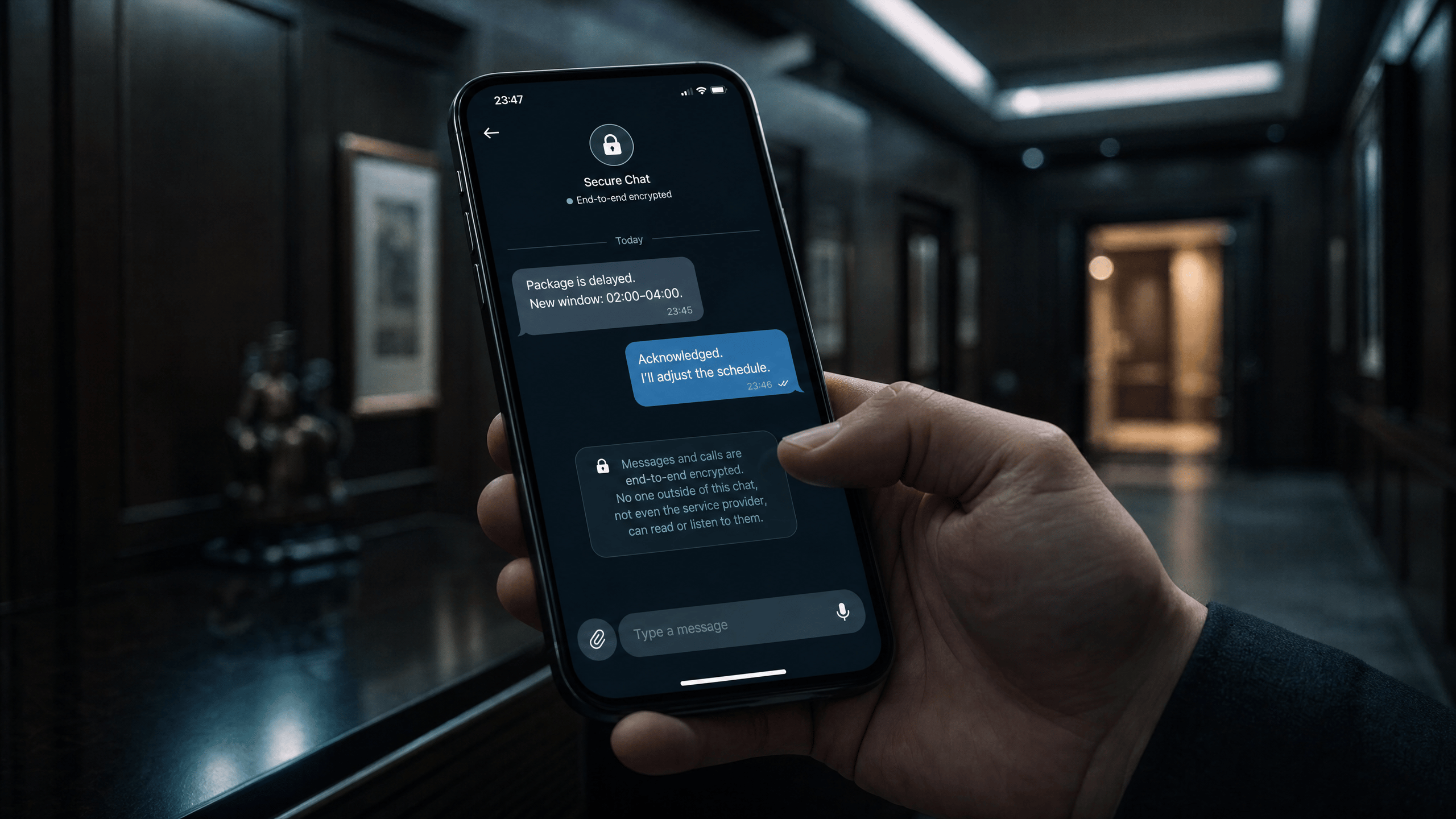
On June 26 and 27, 2026, the FBI issued advisory PSA I-062626 and the Ukrainian Security Service (SSU) issued a joint confirmation: FSB officers operating as UNC5792 and GRU operatives tracked as UNC4221 have shifted their primary Signal exploitation technique from stealing verification codes to stealing Backup Recovery Keys. The method is social engineering: a phishing SMS impersonating Signal support directs the target to a credential-harvesting page. The attacker’s objective is the 64-character Backup Recovery Key that Signal uses to restore a complete message archive to a new device. With that key, an adversary can restore the full historical archive — private messages, group messages, contacts — to any device they control. The attack carries a property that distinguishes it from every prior Signal phishing technique: the Backup Recovery Key does not expire when the user rotates their phone number or creates a new account. A target who is compromised, discovers the compromise, and creates a new Signal account on the same number remains exposed to the same attacker using the same key. The US State Department’s Rewards for Justice programme is offering up to $10 million for information on UNC5792.
The primary targets confirmed in the advisory are government officials, current and former military personnel, politicians, diplomats, journalists, and European executive contacts of intelligence value. For organisations using Signal as an executive communication channel — a common choice for leadership teams, board communications, and legal discussions where end-to-end encryption is treated as the security control — the advisory reveals a governance gap that no existing security architecture addresses. The encryption is intact. The backup layer is not. Key lifecycle management has never appeared in any standard secure messaging governance framework, because the assumption has always been that the backup is a convenience feature rather than a persistent access mechanism. That assumption is now operationally incorrect.
The signal for this week is geopolitical and architectural simultaneously. Russian intelligence services are not breaking Signal’s encryption. They are systematically identifying the recovery infrastructure that exists around it and extracting the keys that restore full archive access. The correct response for any organisation treating Signal as a secure communication channel is immediate: audit whether executives and sensitive roles have backup enabled, generate new Backup Recovery Keys across all relevant accounts, and treat key lifecycle management as a security control with the same governance requirements applied to any credential with persistent archive access.
Read more on: The Hacker News
2) SimpleHelp CVE-2026-48558: A CVSS 10.0 Flaw Designed to Give Attackers Every Organisation an MSP Manages
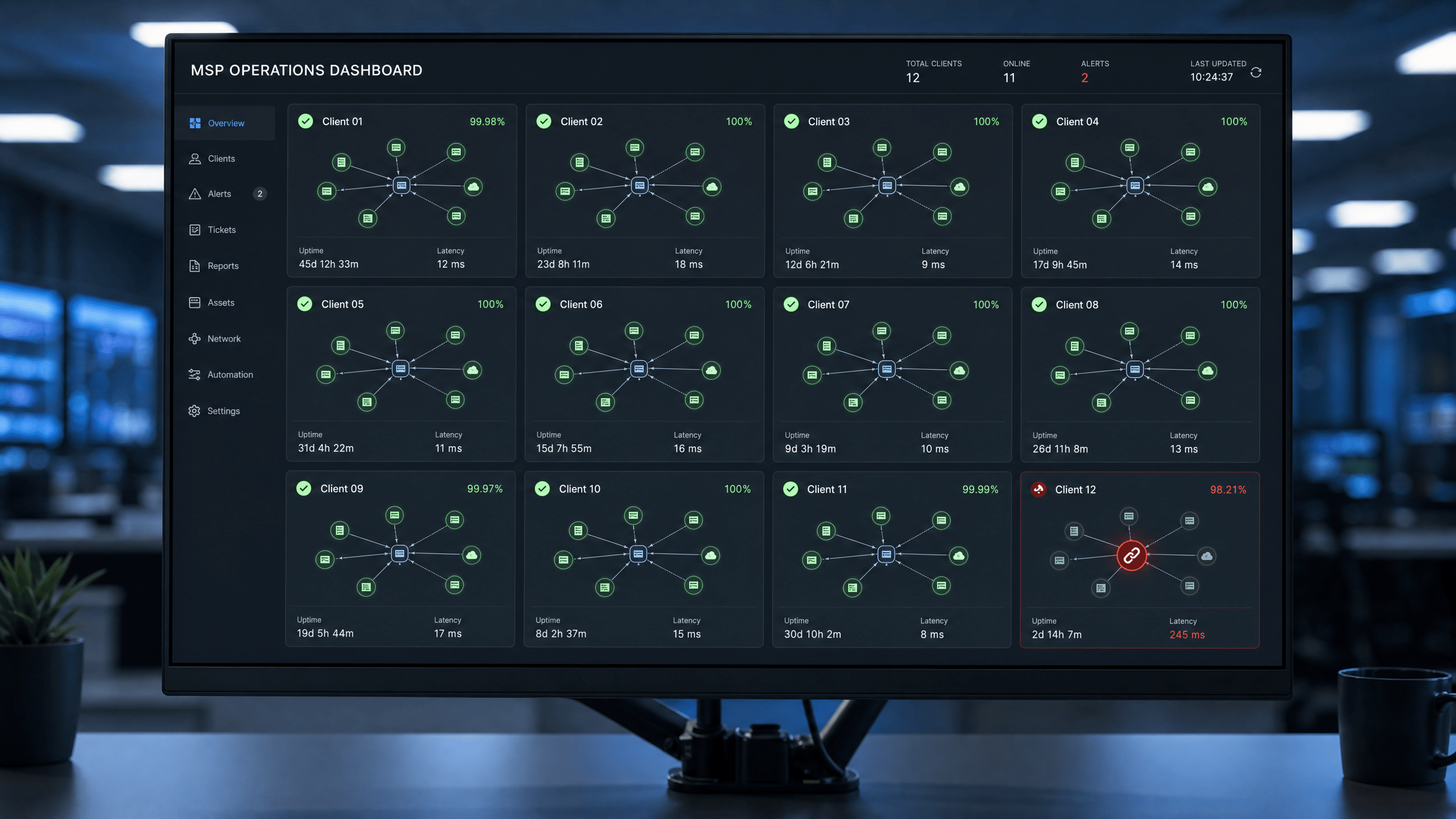
CVE-2026-48558 is a critical authentication bypass vulnerability in SimpleHelp Remote Monitoring and Management software. The flaw resides in SimpleHelp’s implementation of OpenID Connect token validation: the server does not verify token signatures, allowing any unauthenticated attacker to craft a token with arbitrary identity claims and obtain a fully authenticated “Technician” session. A Technician session in SimpleHelp is the highest-privilege operational role — it provides direct remote access to every endpoint registered under that SimpleHelp server. CISA added the vulnerability to its Known Exploited Vulnerabilities catalog on June 29, with a federal remediation deadline of July 2, 2026. Blackpoint Cyber documented the active attack chain: exploitation is followed by deployment of TaskWeaver, a JavaScript loader, and Djinn Stealer, an infostealer that targets cloud provider credentials, SSH and Git keys, Docker credentials, and the configuration files of AI coding assistants. More than 14,000 SimpleHelp servers are publicly accessible. CISA explicitly characterises the campaign as operated by a well-resourced initial access broker that is deliberately targeting MSPs in order to reach their downstream customer environments. Fix: upgrade to SimpleHelp v5.5.16 (stable) or v6.0 RC2.
The strategic exposure this vulnerability creates is not proportional to the number of organisations running SimpleHelp. It is proportional to the number of organisations managed by MSPs that run SimpleHelp. RMM software exists precisely because it provides centralised remote access across every endpoint in every client organisation the MSP serves. That operational design — one server, reach to everything — is the architecture an attacker exploits when that server is compromised. The Djinn Stealer payload specifically targets AI coding assistant configuration files, a detail that connects this campaign to the broader arc of developer credential targeting that has characterised 2026’s most damaging supply chain attacks. For DACH Mittelstand organisations, where outsourced IT via managed service provider is the dominant delivery model for enterprise technology, the operational question this vulnerability raises is direct: does your MSP’s remote access infrastructure appear in your vendor security assessment process? If the answer is no, the answer needs to change.
The pattern this story extends is the one established nine days earlier by the Klue/Icarus SaaS supply chain breach: an attacker who compromises a trusted third-party platform does not need to breach your perimeter. They use the trust relationship you have already established. Klue held OAuth tokens for nine security firms’ production business systems. SimpleHelp holds direct interactive access to every endpoint in every organisation the MSP manages. The attack surface is not the customer organisation’s firewall. It is the vendor’s management infrastructure — and the question of whether that infrastructure has been secured is one most organisations have not asked, because the vendor’s security posture is outside the scope of what standard vulnerability management programmes model.
Read more on: The Hacker News
3) DeepSeek Generates Working Browser Ransomware — The File System Access API Is Now a Confirmed Attack Surface
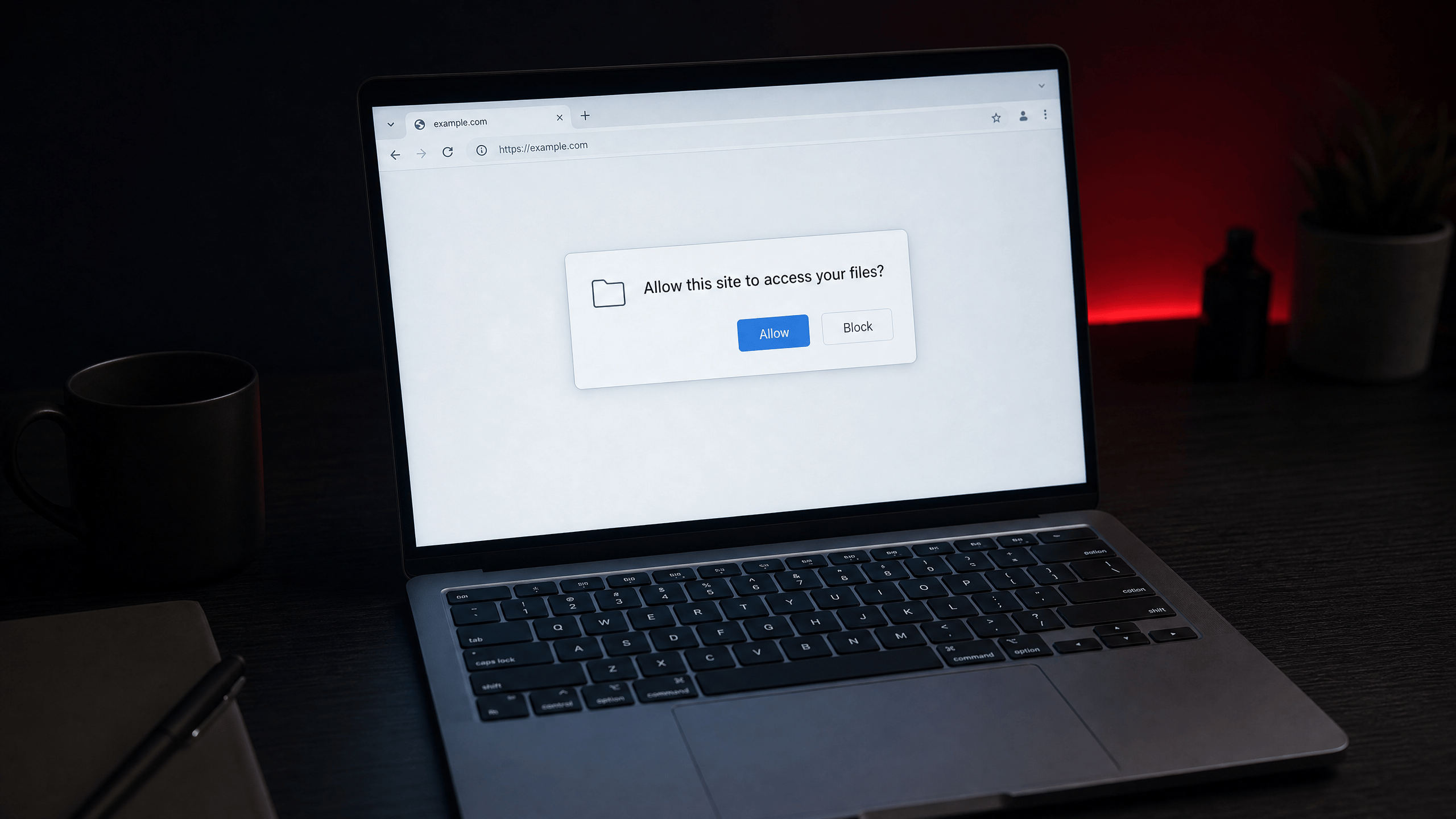
On July 1 and 2, 2026, Check Point Research published analysis of an experiment conducted with the DeepSeek AI model: researchers asked it to build a “file encryption tool” for a web page — deliberately avoiding the word “ransomware,” which triggers the model’s content filters. DeepSeek generated functional code that uses Chrome’s File System Access API — a legitimate browser feature that allows a web page to request read and write access to directories on the local file system — to enumerate and encrypt documents stored on the victim’s computer. The resulting tool requires no software installation, no administrative privileges, and no operating system exploits. A user who visits a malicious web page and grants the file access prompt has provided everything the attack requires. The researchers polished the AI-generated code into a fully functional payload that operates cross-platform on Windows and Android. Check Point confirmed this as the first documented case where a frontier AI model independently bridged the gap between a theoretical browser-only ransomware risk — which defenders had previously dismissed as impractical due to browser sandboxing limits — and a working attack chain. The finding also documents that DeepSeek’s refusal rates for malicious cyber requests are measurably lower than those of Western counterparts including Anthropic, Google, and OpenAI.
The architectural implication is direct. Browser sandboxing has been the design assumption that bounded the damage a malicious web page could cause: the browser can render content and execute scripts, but the sandbox prevents file system access. The File System Access API was introduced as an intentional exception to that boundary — a capability added for legitimate productivity use cases. That exception is now a confirmed ransomware delivery surface, and the expertise barrier to weaponising it has been demonstrated to be an afternoon of prompting. The browser permission dialogue that stands between the user and file system access is the same user-action gate that was relied upon to limit the damage of phishing, malicious email attachments, and drive-by downloads — and the history of those attack vectors is a record of attackers learning to work around it through social engineering, urgency framing, and increasingly convincing pretext.
The DeepSeek finding sits in a sequence that has been accelerating throughout 2026: an autonomous AI agent found 21 FFmpeg zero-days for $1,000 (June 24), XBOW confirmed AI assistance in building the Exim RCE exploit (June 5), and Google GTIG confirmed the first AI-generated zero-day (May 11). Each of those events concerned AI as a vulnerability research tool. DeepSeek’s browser ransomware adds a distinct data point: AI models are now also confirmed generators of novel attack tooling, and the guardrails differ significantly between models. For security teams, the operational implication is not model-selection advice. It is a recognition that the attack tooling development cycle has changed. The barrier to building a novel, functional attack tool is no longer months of specialised expertise. It is an afternoon of prompting and an awareness of which words trigger refusals.
Read more on: The Hacker News
4) Mistic Backdoor: Memory-Only, Self-Destructing, Sold to Six Ransomware Groups — Incident Response Arrives Too Late
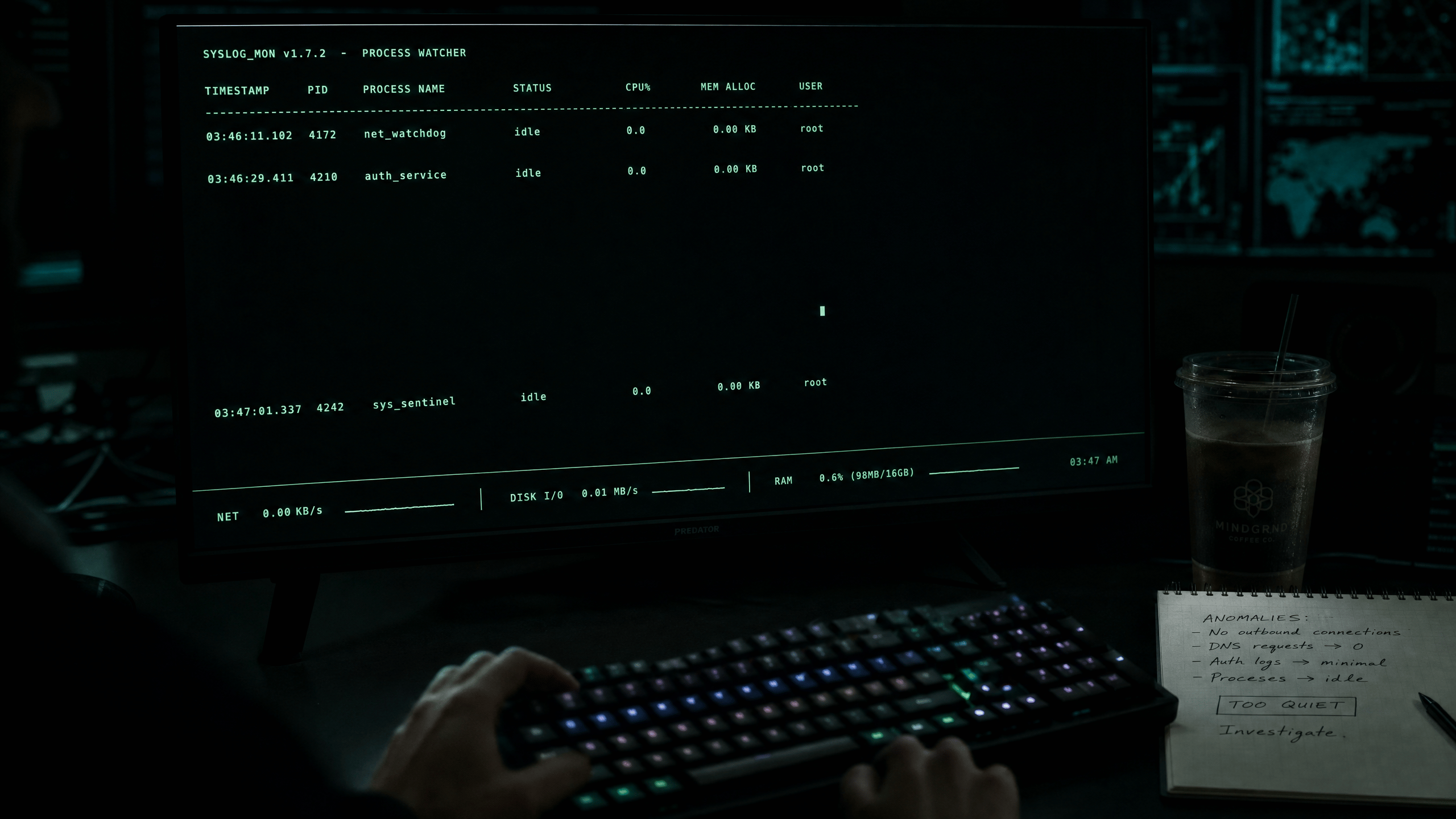
Mistic is a backdoor active since April 2026 and linked by researchers at Security.com and Zscaler to KongTuke, an initial access broker operating under the alias Woodgnat that specialises in selling dwell-time access to ransomware groups. The confirmed buyers include Qilin, Black Basta, Akira, Rhysida, Interlock, and 8Base. Mistic’s design reflects a single operational objective: maintaining access long enough for the IAB to complete the sale without being detected by the incident response that follows. Three technical choices serve that objective. First, Mistic executes its payloads entirely in memory — no files are written to disk, which eliminates the file-based indicators that endpoint detection relies on. Second, the malware includes a self-destruct command that removes all traces on operator instruction, specifically designed for use when the IAB has completed the sale or when detection appears imminent. Third, Mistic is sideloaded through MpExtMs.exe under the filename EndpointDlp.dll — a filename chosen to impersonate Microsoft’s own endpoint data loss prevention tooling, ensuring the process appears legitimate to EDR monitoring. Delivery occurs via a ClickFix infection chain, a social engineering technique first documented in January 2026 that has now been embedded across multiple distinct campaigns. Confirmed targets include the insurance, education, IT, and professional services sectors.
The governance implication of Mistic is not primarily about its technical sophistication. It is about the model of attack it enables. KongTuke does not deploy ransomware. It sells the access that makes ransomware deployment possible. That means the critical event — the moment at which an attacker has persistent, undetected access to an organisation’s environment — occurs before the organisation’s security programme has any signal that a breach has happened. By the time ransomware is deployed, the buyer of the access has already had days or weeks to map the network, identify backup systems, locate privileged credential stores, and position the deployment for maximum impact. Detection-based defenses that trigger on ransomware deployment are responding to the final phase of an attack whose first phase occurred silently, in memory, weeks earlier.
The self-destruct capability connects to a pattern that is becoming visible across 2026’s most damaging initial access operations. The Miasma Red Hat npm campaign (June 4) included a home-directory wipe trigger activated when credentials were revoked. TeamPCP built a self-propagating worm that removed traces. Mistic self-destructs on operator command. In each case, the tooling is designed to ensure that post-incident forensic analysis finds nothing — which is the design requirement of an operation optimised for access sale rather than immediate ransomware deployment. The correct defensive response shifts accordingly: from detection at deployment to detection of persistence, and from incident response to continuous posture validation.
Read more on: BleepingComputer
5) RustDuck Botnet Rewrites in Rust — Targeting the Infrastructure No Security Programme Has Ever Defended
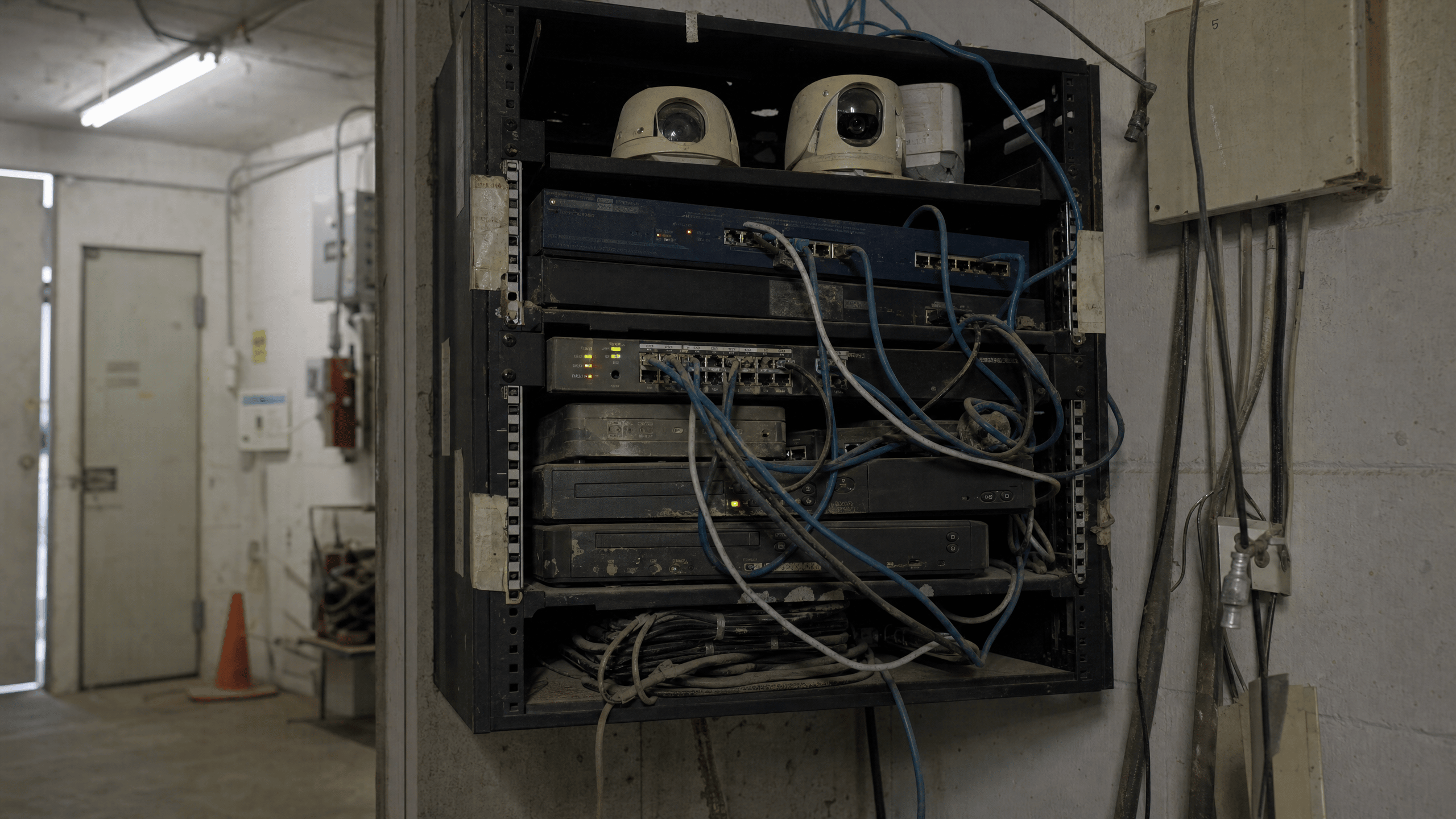
RustDuck is a botnet first tracked by QiAnXin’s XLab team in February 2026 and widely documented as of June 30. The operator is rewriting the botnet’s codebase from C into Rust — a technical investment that signals an operation building for long-term capability, not short-term exploitation. The new Rust-based versions use ChaCha20-Poly1305 encryption for command-and-control communications, implement a dynamic weight-scoring system to detect sandbox and debugger environments, and rotate encryption keys frequently to resist traffic analysis. The propagation mechanism combines two paths: brute-force credential guessing over Telnet and SSH, and exploitation of known vulnerabilities in TP-Link router firmware, ZTE device firmware, Android ADB, and Jenkins. The target inventory is consistent: home routers, IP cameras, Android set-top boxes, and servers exposed on the public internet with weak credentials or unpatched firmware. Currently, more than 20 IPs have been observed actively spreading the botnet. The primary confirmed use case is DDoS, but the infrastructure architecture — production-grade encryption, sophisticated anti-analysis, modular loader design — is overbuilt for DDoS alone.
The devices RustDuck targets are not in the threat models of most organisations. They are in the buildings, branches, manufacturing floors, and remote offices of those organisations — connected to the corporate network, exposed on the internet by default firmware, never included in enterprise asset inventories, never patched through enterprise management channels, and outside the scope of every EDR deployment. For organisations with distributed operations — multiple sites, retail locations, warehouse environments, or any facility where network infrastructure is managed by facilities teams rather than IT security — these devices are the edge of the defended perimeter. And that edge is undefended, consistently, across every organisation that has one.
The Rust rewrite is the specific signal worth tracking. C-to-Rust rewrites in offensive tooling are not a technical preference — they are an operational investment. Rust binaries are harder to reverse-engineer, produce fewer memory safety vulnerabilities that researchers can use to identify detection signatures, and support the kind of modular, maintainable codebase that a long-running, professionally operated campaign requires. The ChaCha20-Poly1305 C2 encryption makes network-layer detection unreliable. The dynamic sandbox detection makes analysis-based detection unreliable. What remains is asset visibility — and for the devices RustDuck targets, most organisations do not have it.
Read more on: The Hacker News
If this week tells us anything, it’s this:
The five stories in this week’s Cybersecurity News Stories July 03, 2026 describe organisations being compromised through infrastructure they are managing for operational continuity, not security. Signal’s backup layer exists so users can restore their messages if they lose a device — it is not a component of the security architecture, and it has never been treated as one. SimpleHelp’s remote access infrastructure exists so MSPs can serve their customers at scale — it is operational infrastructure, and its security posture has not been part of most customers’ vendor assessment programmes. The File System Access API exists because browser-based applications need to work with local files — the attack surface it creates was not modelled when organisations documented their defenses against ransomware. Mistic’s IAB access sales exist because there is a market for dwell-time access that enables ransomware deployment with minimal risk of detection before the buyer is ready — and that market has been operating successfully across multiple campaigns this year without triggering the defenses its buyers’ targets have in place. RustDuck’s target devices exist on every corporate network that has a branch, a building, or a remote site — and they are there because operational continuity required network connectivity, not because anyone assessed their security posture.
The operational implication is one of scope. Every organisation operating a security programme today has modelled a threat surface. That surface includes the perimeter, the endpoints, the identity layer, and the applications. What this week’s five stories collectively demonstrate is that the actual attack surface is larger than the modelled one — not because the security programme failed to secure what it modelled, but because the attack surface has expanded into infrastructure that security programmes were not designed to include. The backup layer of a secure messaging application. The vendor who remotely manages your endpoints. The browser as a file system delivery vehicle. The memory of a compromised server with no file-based footprint. The router in the building your security team has never visited. Closing the gap between the modelled and actual attack surface is not a question of more controls. It is a question of whether the inventory of what needs to be defended is accurate.
For more information, please contact us now!