
Top 5 Cybersecurity News Stories March 06, 2026
Cybersecurity threats evolve rapidly as threat actors target your data and funds. To keep you secure, we’ve scoured the web for the top 5 cybersecurity news stories March 06, 2026, no threat too big or small, from espionage to flaws in everyday devices.
Cisco SD-WAN Exploited Silently for Three Years
A critical authentication bypass flaw (CVE-2026-20127, CVSS 10.0) in Cisco Catalyst SD-WAN has been actively exploited since at least 2023 by threat actor UAT-8616. CISA issued Emergency Directive 26-03 requiring federal agencies to patch and inventory affected systems by March 5, 2026.
SD-WAN sits at the intersection of network segmentation, branch connectivity, and cloud access, it is not a peripheral system. An attacker with unauthenticated admin access to SD-WAN infrastructure has, functionally, a skeleton key to distributed enterprise environments. Organizations that deployed SD-WAN as part of SASE or zero-trust transformation initiatives may have inadvertently centralized their attack surface.
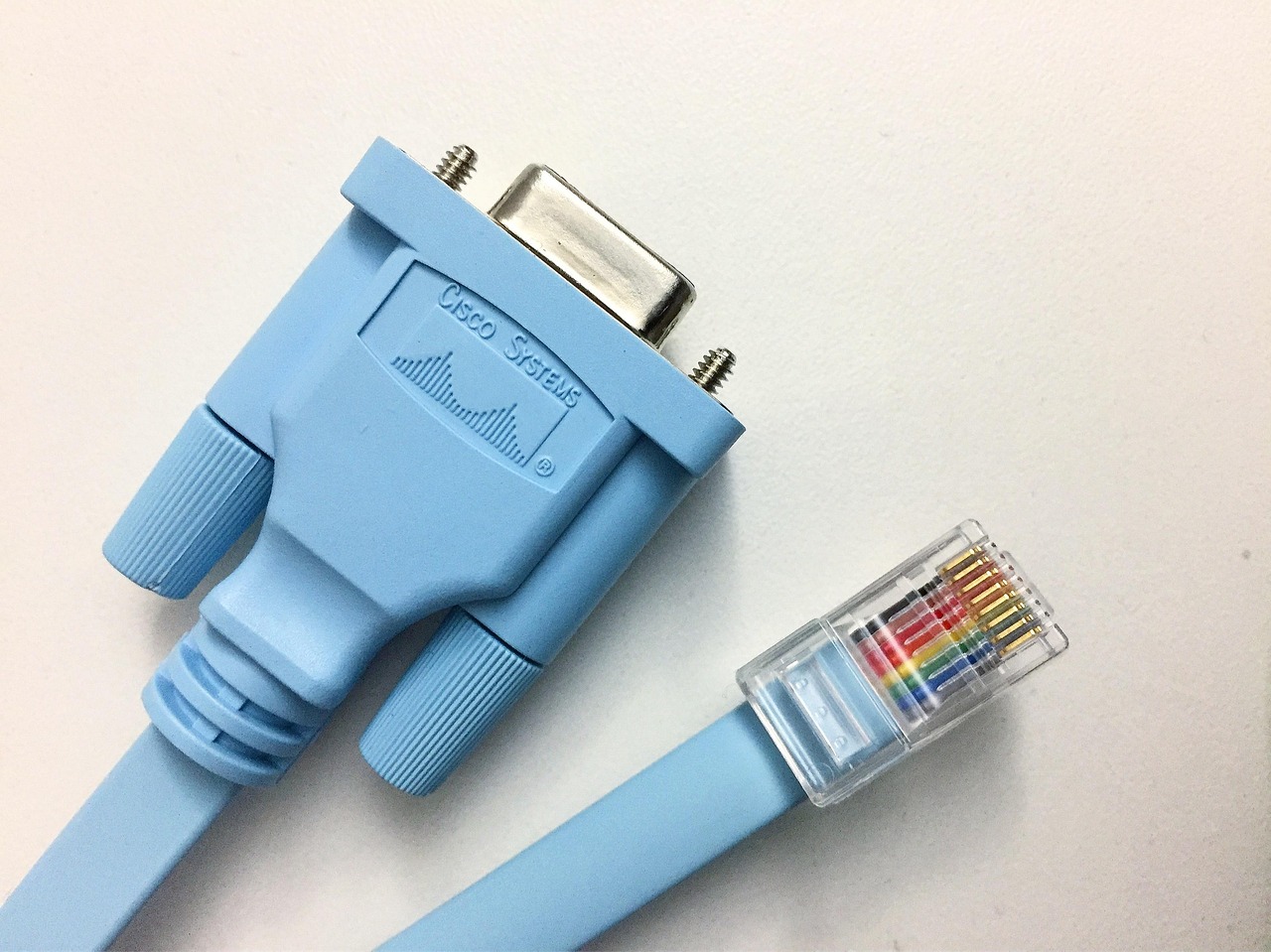
Three years of silent exploitation on a network-core product signals a fundamental problem with detection coverage at the infrastructure layer. Perimeter-level tooling is not sufficient when the perimeter itself is the target.
Read more on BleepingComputer.
Qualcomm Zero-Day in 234 Chipsets, The Mobile Fleet Is an Unmanaged Attack Surface
Google’s March 2026 Android Security Bulletin patches 129 vulnerabilities, including CVE-2026-21385, an integer overflow in Qualcomm’s Display and Graphics component confirmed as actively exploited in the wild. The flaw affects 234 distinct Qualcomm chipsets.
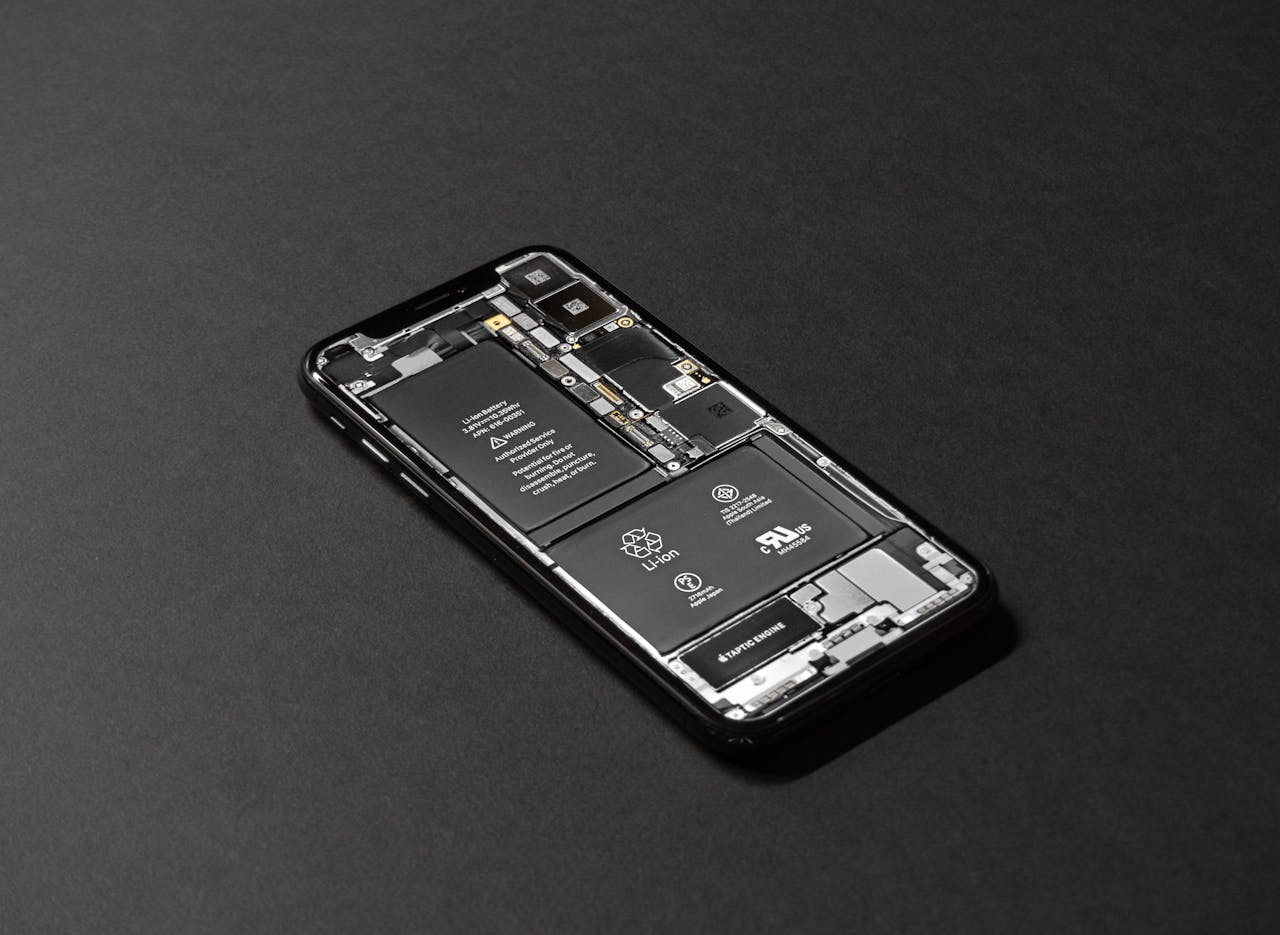
Enterprise mobile device management has historically focused on software policy enforcement, app controls, MDM profiles, conditional access. It has not kept pace with firmware-layer vulnerability management. A flaw at the chipset level bypasses most endpoint controls entirely. For organizations that allow BYOD or have not enforced aggressive patch SLAs on mobile, this is an unmanaged exposure sitting in every executive’s pocket.
The mobile endpoint is increasingly the path of least resistance for targeted intrusion. As hardening of cloud and server infrastructure matures, attackers are pivoting to under-managed device classes. Mobile is no longer a secondary risk tier.
Read more on BleepingComputer.
Iran’s “Great Epic” Campaign, Geopolitical Cyber Risk Is Now Operational, Not Theoretical
Following U.S. and Israeli strikes on Iran’s leadership, Iranian-aligned threat groups launched a broad retaliatory cyber campaign, dubbed “The Great Epic”, targeting fuel infrastructure in Jordan, ICS systems in Israel, and logistics providers serving U.S. and Israeli military operations. Iran’s internet connectivity dropped to 1–4%, with leadership command structures effectively dismantled.
Decapitated command structures do not eliminate cyber capability, they decentralize it. Without central oversight, proxy actors and hacktivist-aligned groups operate with greater autonomy and less predictability. For organizations in energy, logistics, financial services, or defense supply chains, the threat model this week shifted from directed nation-state activity to diffuse, high-frequency opportunistic strikes by loosely coordinated actors with no formal rules of engagement.

Geopolitical escalation no longer follows a linear cyber escalation path. Organizations in geopolitically adjacent sectors cannot rely on threat intelligence tied to known TTPs from a centralized actor. Resilience, not just detection, is now the required posture.
Read more on SecurityWeek.
VMware Aria Operations RCE, Management Planes Remain a Persistent Blind Spot
CISA added CVE-2026-22719 (CVSS 8.1), a command injection vulnerability in Broadcom’s VMware Aria Operations, to its Known Exploited Vulnerabilities catalog. The flaw enables unauthenticated remote code execution during active support-assisted migration workflows.

Management and observability platforms, Aria, vCenter, SIEM consoles, backup managers, are systematically under-patched relative to production infrastructure. They are treated as internal tooling rather than critical attack surface. Yet they hold credential stores, configuration baselines, and monitoring pipelines that give an attacker full environmental visibility and persistence without touching a single production workload. This is a structural gap in how organizations tier their patch risk.
The exploitation of management-plane tools is now a deliberate attacker strategy, not an opportunistic one. Threat actors understand that monitoring infrastructure is both high-value and low-scrutiny. Security teams need to apply the same patch urgency to tooling as to production systems.
Read more on BleepingComputer.
AkzoNobel Breach, Industrial and Manufacturing Sectors Have a Target on Their Back
AkzoNobel, the Dutch multinational behind Dulux and International paints, confirmed a network breach at one of its U.S. facilities. The full scope of data accessed remains under investigation.
AkzoNobel is not a technology company. It is a global industrial manufacturer, and that is precisely the point. Threat actors are systematically expanding beyond financial services and healthcare into manufacturing, chemicals, and industrial operations where cybersecurity investment has historically lagged. These environments often run legacy OT systems on flat networks, with IT and operational technology insufficiently segmented. A breach of a U.S. facility at a multinational with complex supply chains carries regulatory, IP, and operational continuity implications far beyond the initial intrusion.

The industrials sector is in the early stages of the same reckoning that healthcare experienced five years ago. Organizations in manufacturing, logistics, and physical production need to treat their IT/OT convergence posture as a board-level risk item, not an infrastructure project.
Read more on BleepingComputer.
If this week tells us anything, it is this:
The most dangerous exposures in your environment are not the ones you have not patched, they are the ones you have not found yet. Three of this week’s five stories involve compromise that was active for months or years before disclosure. The question for every CISO and CTO is not whether your controls are current. It is whether your detection architecture would surface a quiet, persistent attacker who has already been inside for 18 months. Most environments cannot answer that question with confidence. That is the real vulnerability of the week.
At DIESEC, our experts are ready to assist with all your cybersecurity needs. We ensure your system is safe and secure and provide training for your employees to avoid falling victim to social engineering tactics.
For more information, please contact us now!