
OT Cybersecurity 2026: What to Expect
For years, conversations about OT cybersecurity have revolved around familiar themes like IT/OT convergence, ransomware risks, and the skills shortage, but in OT cybersecurity 2026 those issues are no longer the whole story.
With 2026 well underway, the industrial threat landscape is shifting in other important ways. For operators across manufacturing, energy, logistics, and other critical industries, keeping up with the dynamic nature of OT cybersecurity is crucial. Here are four trends likely to shape OT cybersecurity in 2026.
Four OT Cybersecurity 2026 Shifts in OT/ICS
1. AI-Accelerated Industrial Threats
In 2026, AI is acting as a force multiplier for adversaries when carrying out attacks on ICS and OT environments. Industrial environments have long relied on obscurity as a partial defence, with proprietary protocols, specialised terminology, and niche systems.

AI reduces the friction that attackers once faced when trying to understand those environments. Tasks that previously required deep domain expertise and time-intensive analysis can now be accelerated through model-assisted reconnaissance and scripting, including understanding PLC logic, vendor-specific protocols, or plant topology.
Crafting believable phishing messages aimed at maintenance engineers or grid operators once required familiarity with operational terminology and workflows. AI reduces friction on this front too: generative models can now produce highly convincing emails, maintenance requests, or vendor communications that reflect the exact language used on the plant floor.
In practical terms, this could mean:
- Faster mapping of mixed IT/OT environments after an initial foothold
- More credible phishing campaigns targeting engineering and operations staff
- Automated analysis of leaked technical documentation
- Quicker identification of weak segmentation points
As a result, attacks are becoming more efficient and more context-aware because of AI, and the gap between initial access and operational impact continues to narrow.
2. The Rise of “Operational Disruption as a Service.”
One study estimates that unplanned downtime for German industrial companies costs around 147,000 Euros per hour. There are, of course, many reasons that downtime can happen in OT environments, but an important one is cyberattack.

In 2026, rather than pure financial extortion being the primary motive, there is a clear shift toward operational disruption. This is deliberate interference designed to interrupt production, destabilise supply chains, or create economic pressure. In some cases, this activity will be geopolitically motivated. In others, it will be financially driven but focused on impact rather than encryption.
Operational disruption doesn’t require full network takeover. It may involve:
- Manipulating control logic to intermittently halt production lines
- Targeting scheduling or batch management systems to create cascading delays
- Disabling safety or monitoring systems long enough to force precautionary shutdowns
- Disrupting logistics hubs or energy distribution at critical moments
In industrial economies, particularly those heavily dependent on manufacturing exports, energy reliability, or tightly synchronised supply chains, even short-lived operational interruptions can have outsized consequences. The estimated hourly cost of downtime for German industrial companies underscores this.
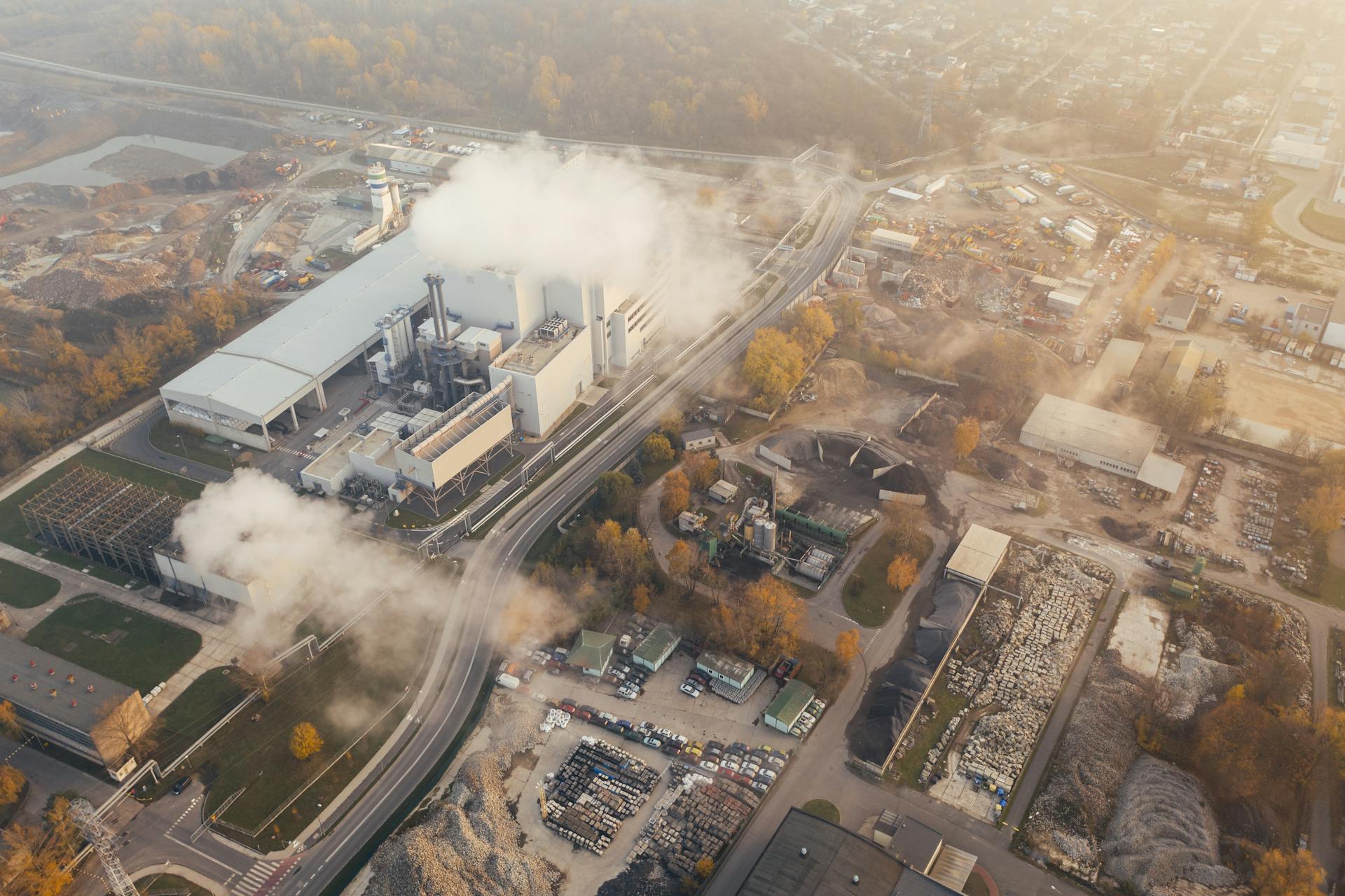
This is where the concept of “operational disruption as a service” begins to emerge. Attack capabilities are increasingly modular, reusable, and transferable across sectors. Tools and playbooks developed in one region or conflict can quickly surface elsewhere. Threat groups may increasingly specialise in delivering this kind of disruption as a service.
3. Geopolitical Instability Exerts More Pressure
The World Economic Forum’s 2026 Cybersecurity Outlook highlights how geopolitical tensions are exposing threats and vulnerabilities in the critical national infrastructure that supports society, with sectors such as energy, water and transportation increasingly targeted in cyber campaigns.
For OT operators, this is not abstract commentary. Cyber risks are increasingly intertwined with sanctions, trade disputes, technological rivalry, and regional conflict. Industrial systems, especially those supporting energy, water, transportation, and manufacturing, sit at the intersection of economic stability and national resilience.

Compounding this pressure is a paradox highlighted in the same report. Despite escalating geopolitical tension, some organisations are reducing cybersecurity budgets. Survey data shows that 12–13% of organisations in some regions have already cut cyber spending due to geopolitical volatility, and 31% of respondents report low confidence in their nation’s ability to respond effectively to major cyber incidents.
Recent reporting from Google and other major security providers has catalogued a sustained barrage of cyber operations against European industrial supply chains. Expect to see more attacks on ICS environments directly linked to growing geopolitical instability.
4. Visibility Matters More
58% of OT incidents originate from IT compromises that move laterally into industrial networks. That statistic alone reframes visibility: if most breaches begin outside the plant floor, organisations must be able to see where IT and OT intersect, clearly and continuously.

The issue is not simply asset inventory. Operators also need to know:
- Which assets are connected, including transient and engineering devices
- Where segmentation boundaries actually exist versus where they are assumed
- Which legacy systems cannot be patched and therefore require compensating controls
- How traffic patterns change during maintenance windows or vendor access
- Which vendor remote access channels are active, persistent, or poorly monitored
- Which embedded systems rely on external suppliers, firmware updates, or other undocumented dependencies
At the same time, regulators and insurers are moving beyond policy reviews. They want evidence that asset inventories are current, that vendor access is controlled, and that segmentation between IT, OT and third parties is enforceable in practice.
Visibility, therefore, shifts from a monitoring feature to a resilience capability. Without it, organisations cannot contain incidents quickly, demonstrate control during audits, or confidently assess the blast radius of a compromise.
From Awareness to Operational Readiness in OT Cybersecurity
Taken together, these trends show that, in 2026, industrial operators must assume faster, more context-aware adversaries operating in a more volatile global environment. At the same time, they must be prepared to demonstrate control, containment, and continuity under scrutiny.
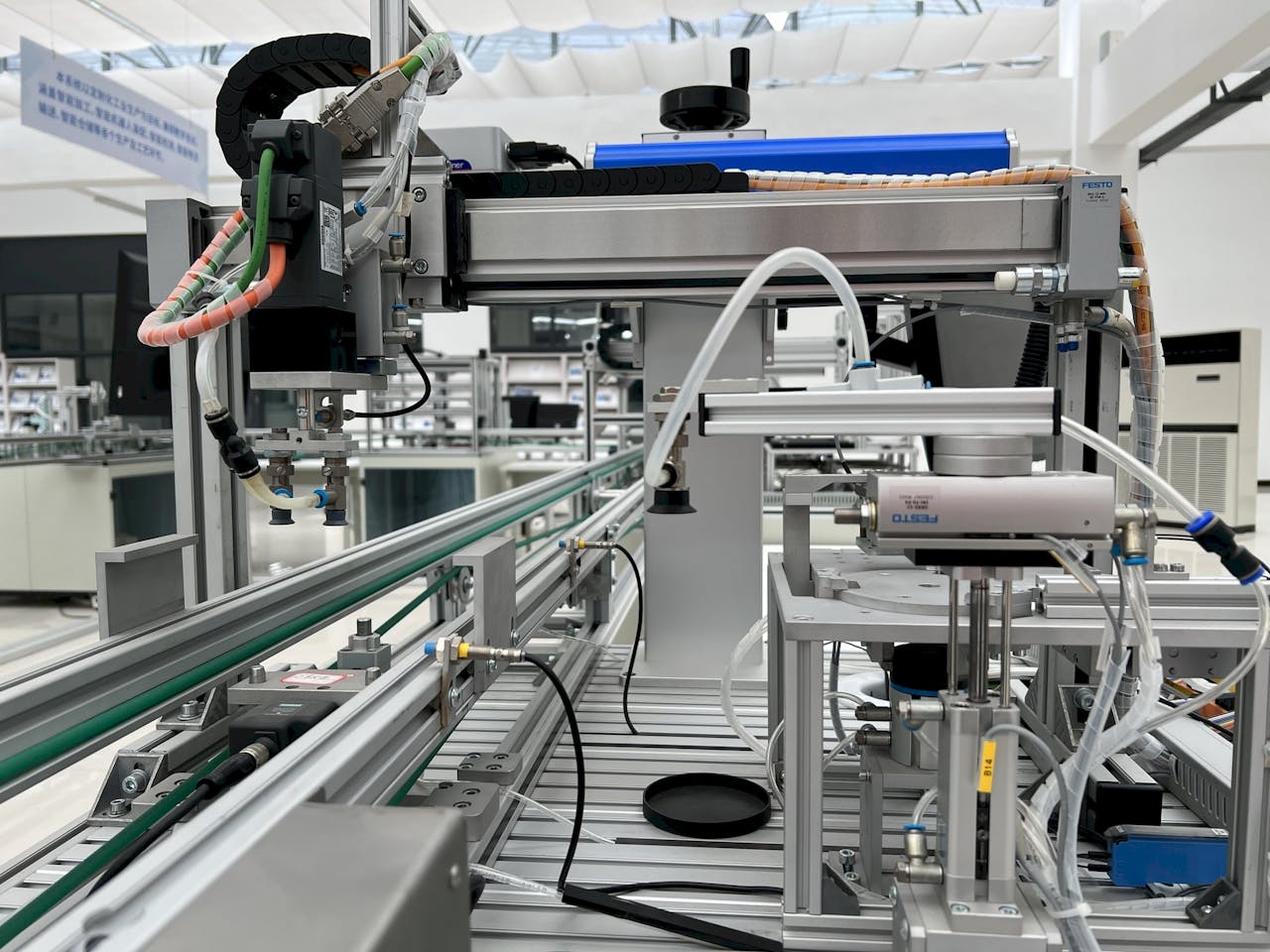
In an era where AI can mimic operational language with precision, organisations need to test how well engineers, operators and support staff can recognise highly contextualised social engineering attempts. At the same time, identifying potential and existing risks, implementing measures to address them, and aligning security strategy with legal, regulatory and contractual requirements are now central to operational continuity. For organisations serious about OT cybersecurity 2026, these trends define the minimum level of readiness.
DIESEC supports manufacturers and critical infrastructure operators in preparing for the realities of OT cybersecurity in 2026. Our experts help translate emerging threats into practical, resilient security strategies.
Contact us to discuss how DIESEC can support your OT cybersecurity strategy.